

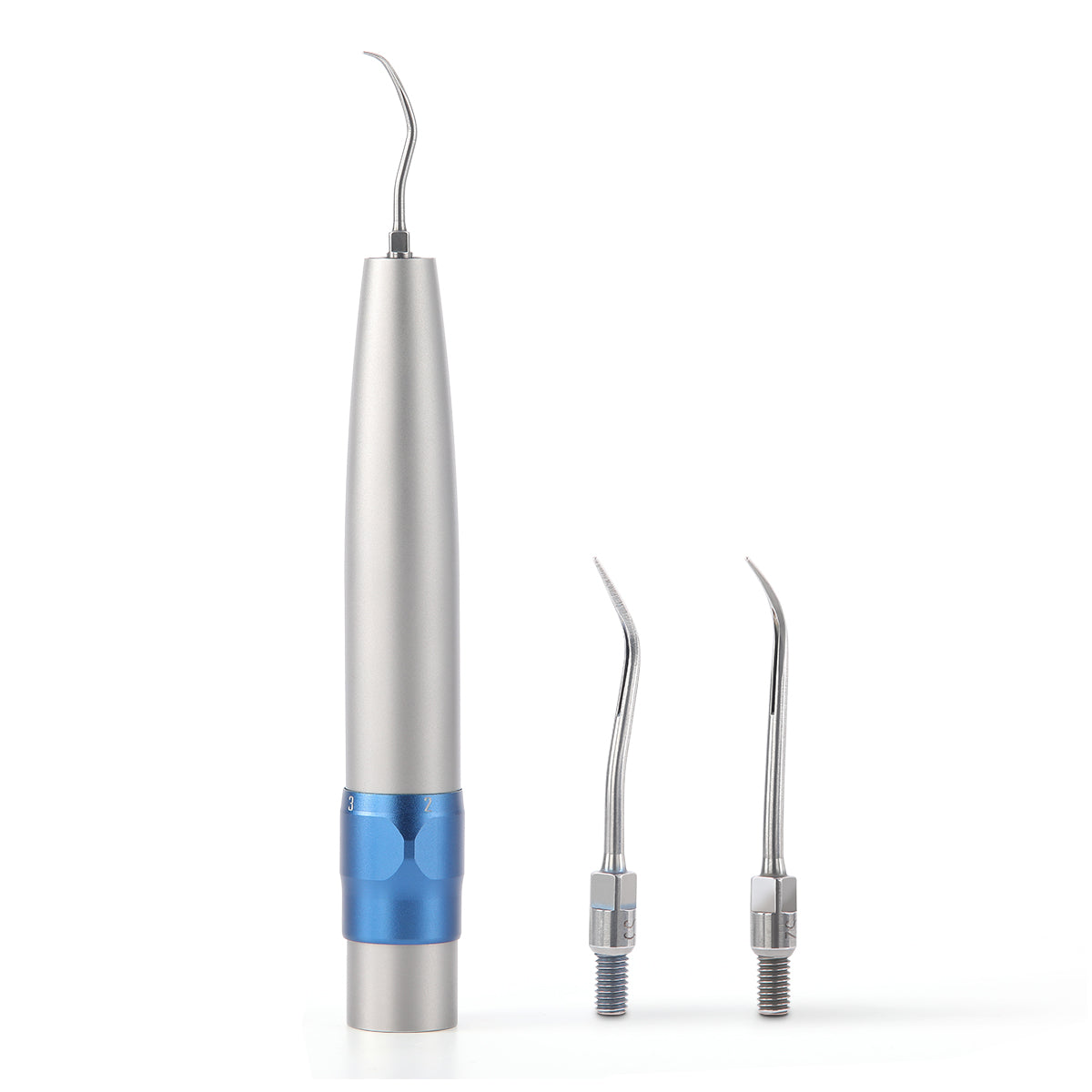
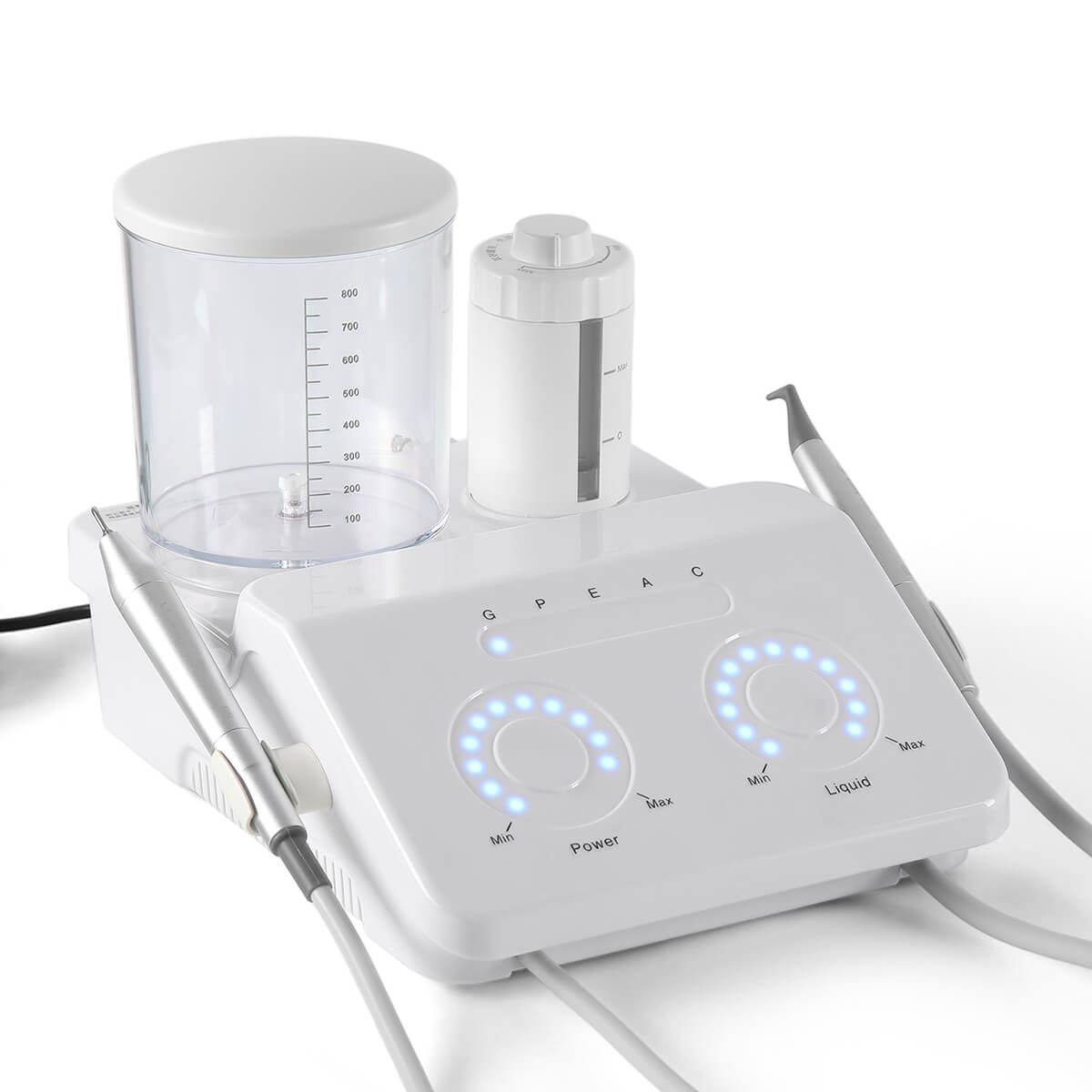
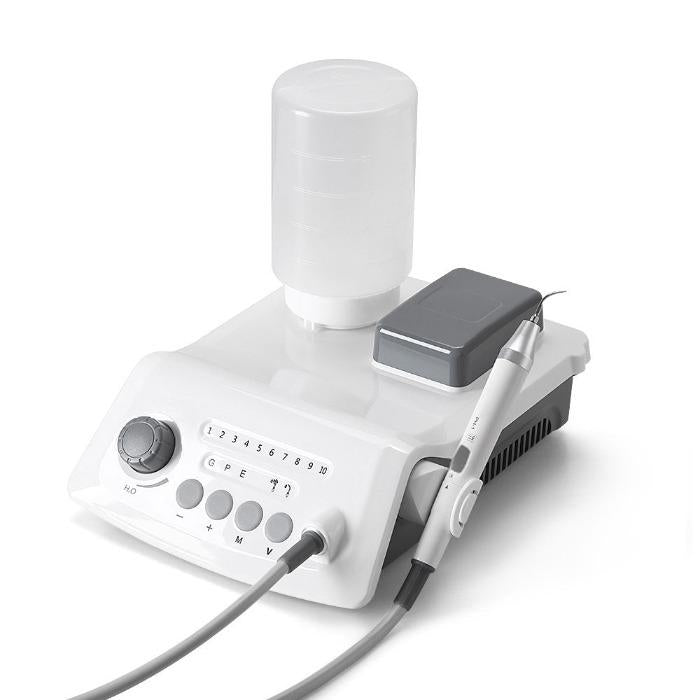
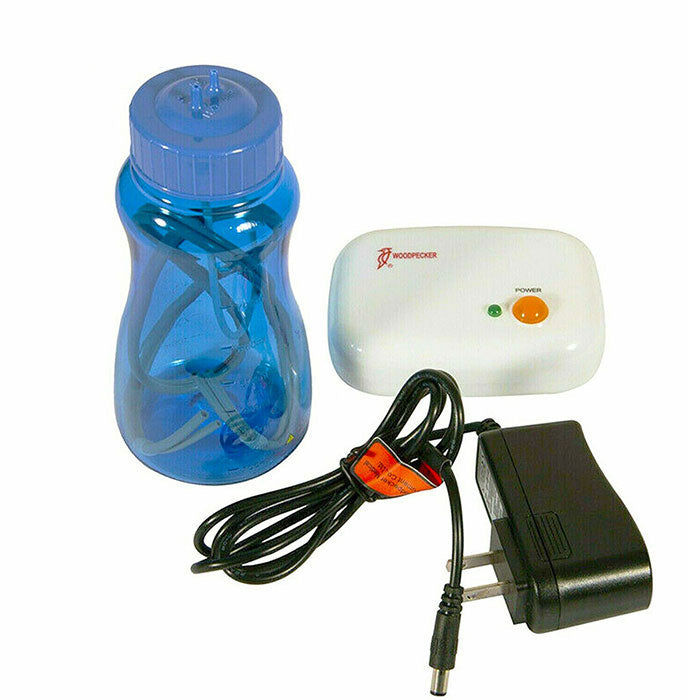
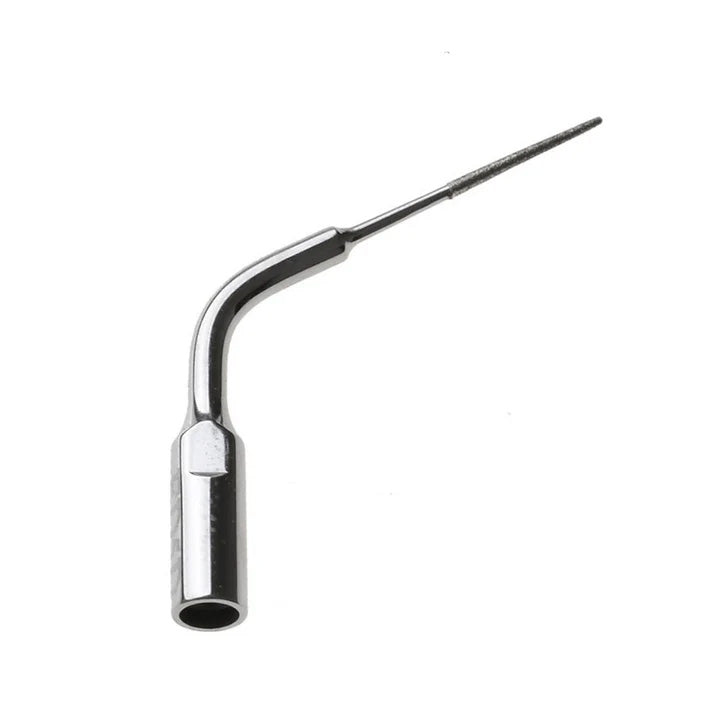
Woodpecker DTE ED5D Ultrasonic Scaler Tips 1 PC
Choose your option
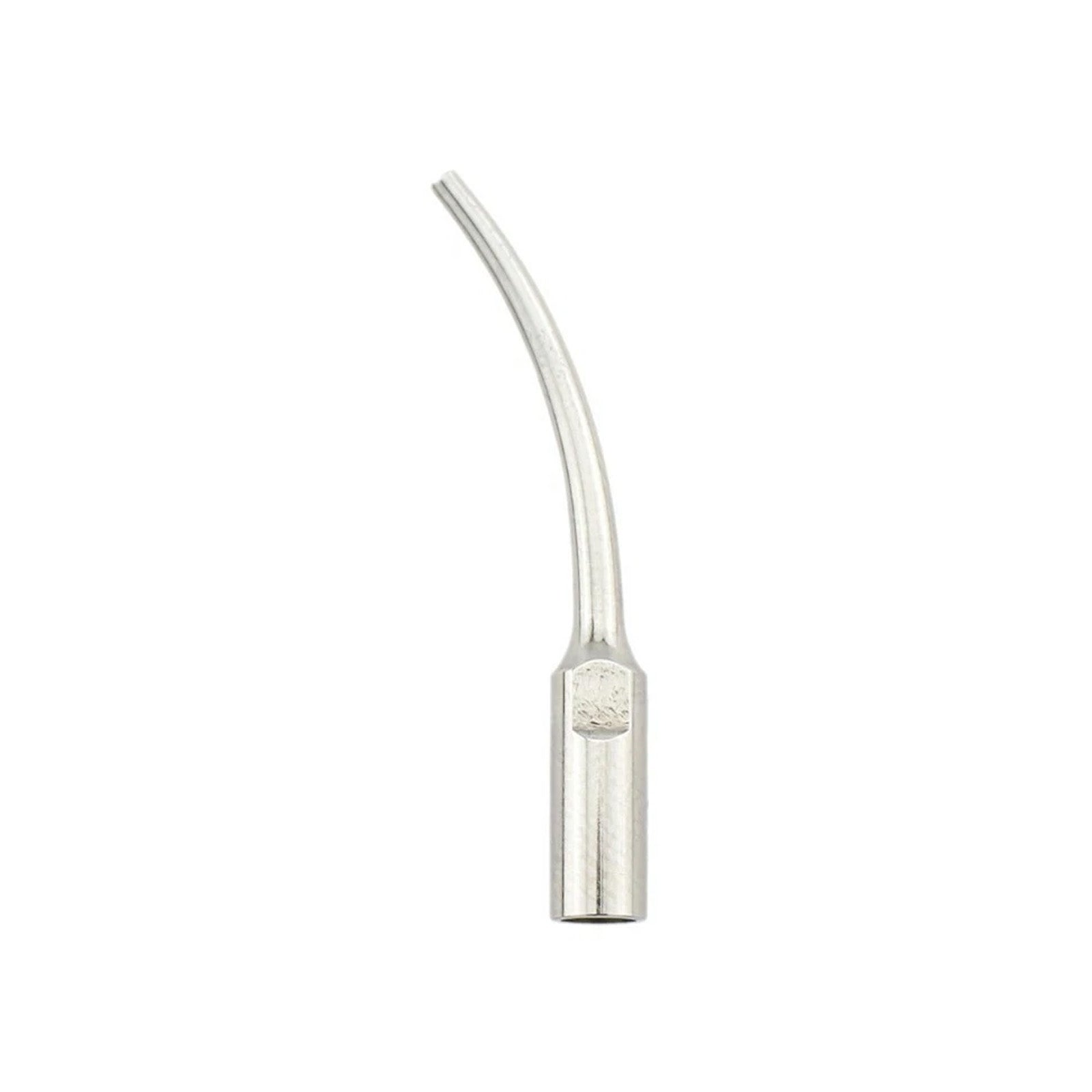
Woodpecker DTE GD8 Ultrasonic Scaler Tips 1 PC
Choose your option
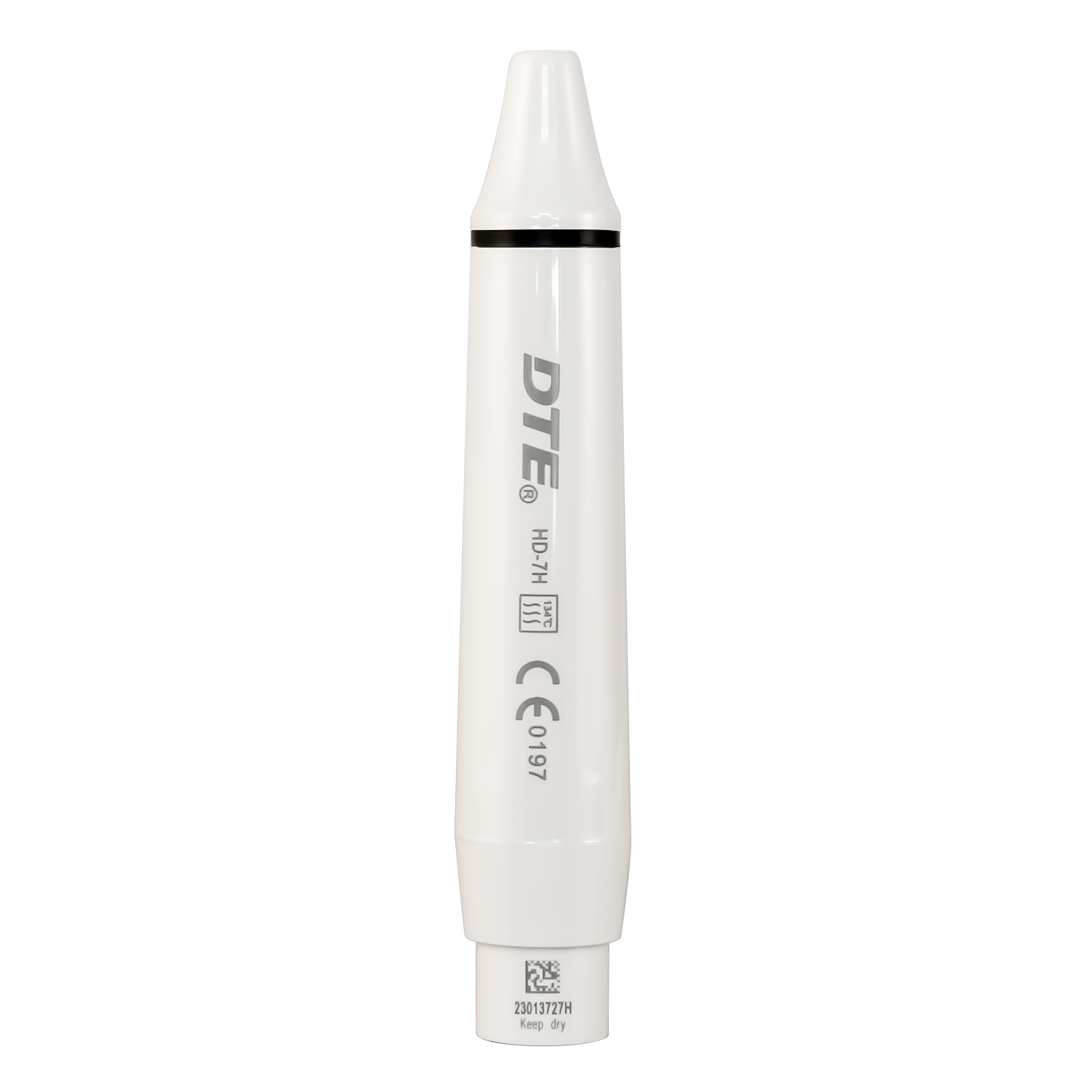
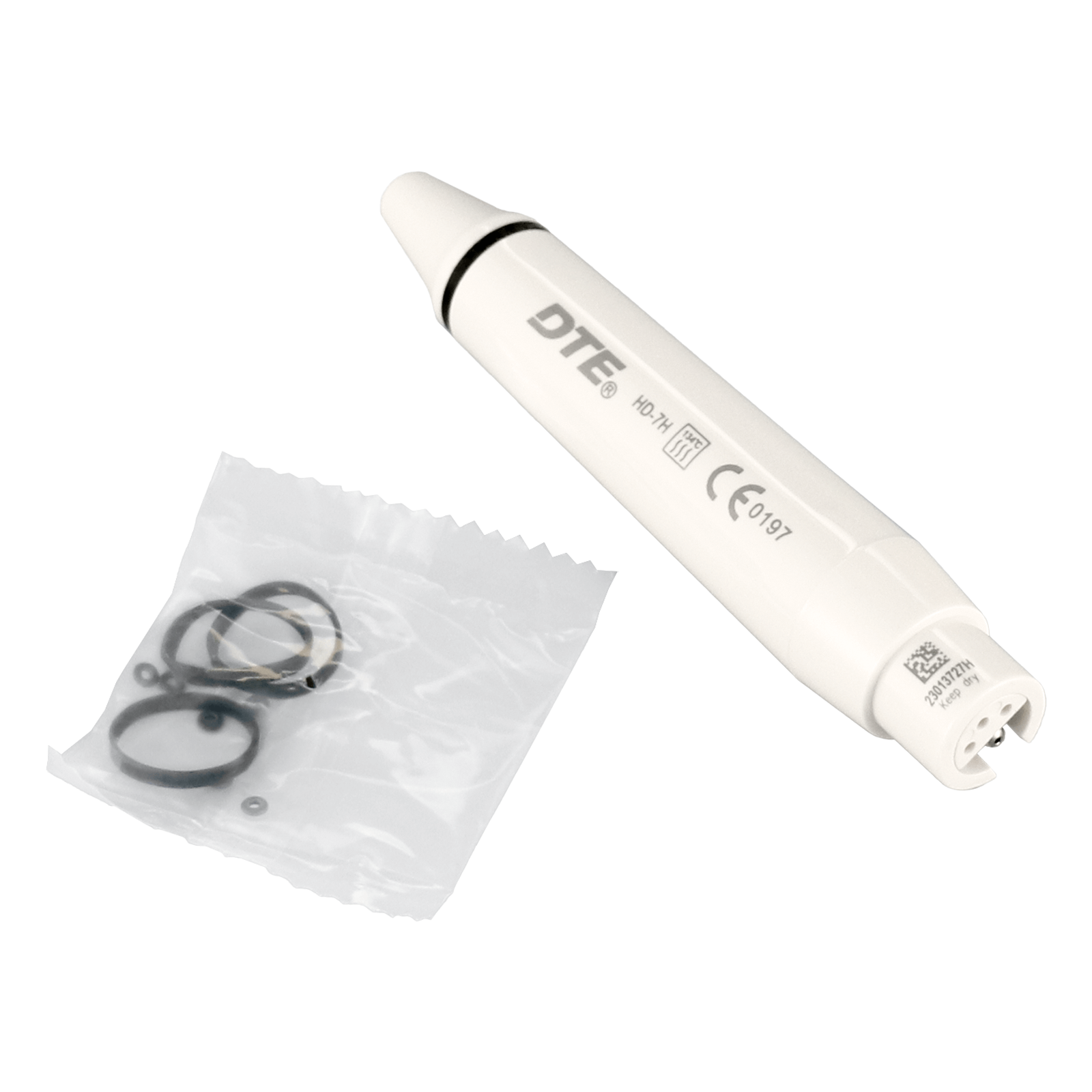
Woodpecker HD-7H Handpiece For DTE SATELEC Ultrasonic Scalers
Choose your option
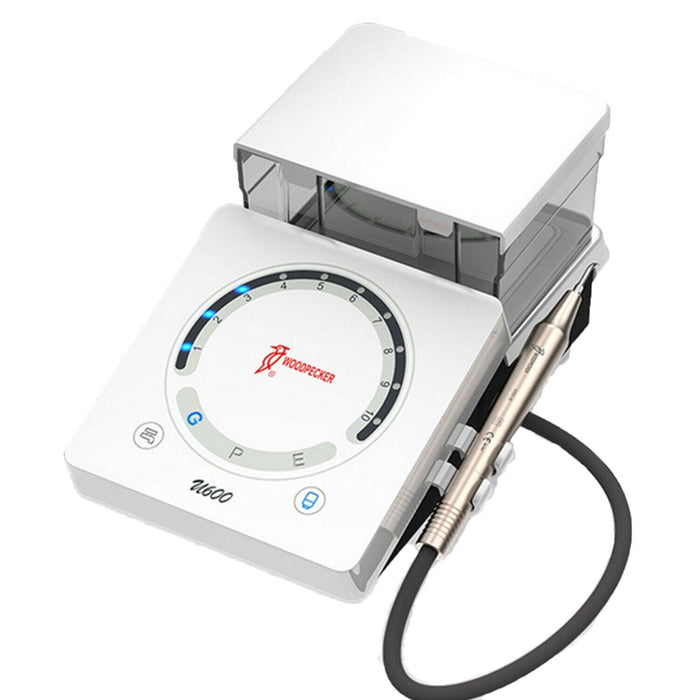
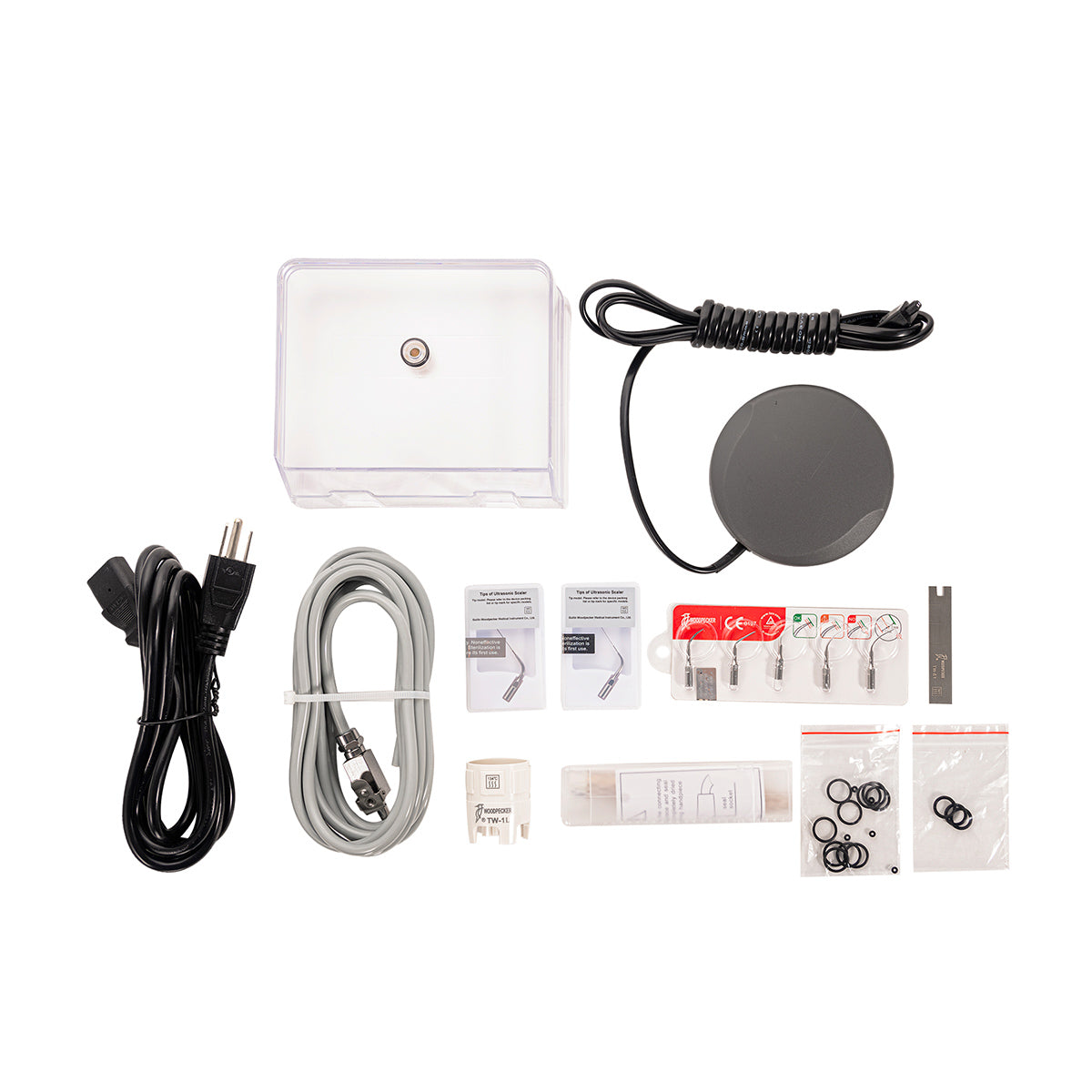
Woodpecker U600 Ultrasonic Piezo Scaler with Auto Water Bottle 7 Tips
Choose your option
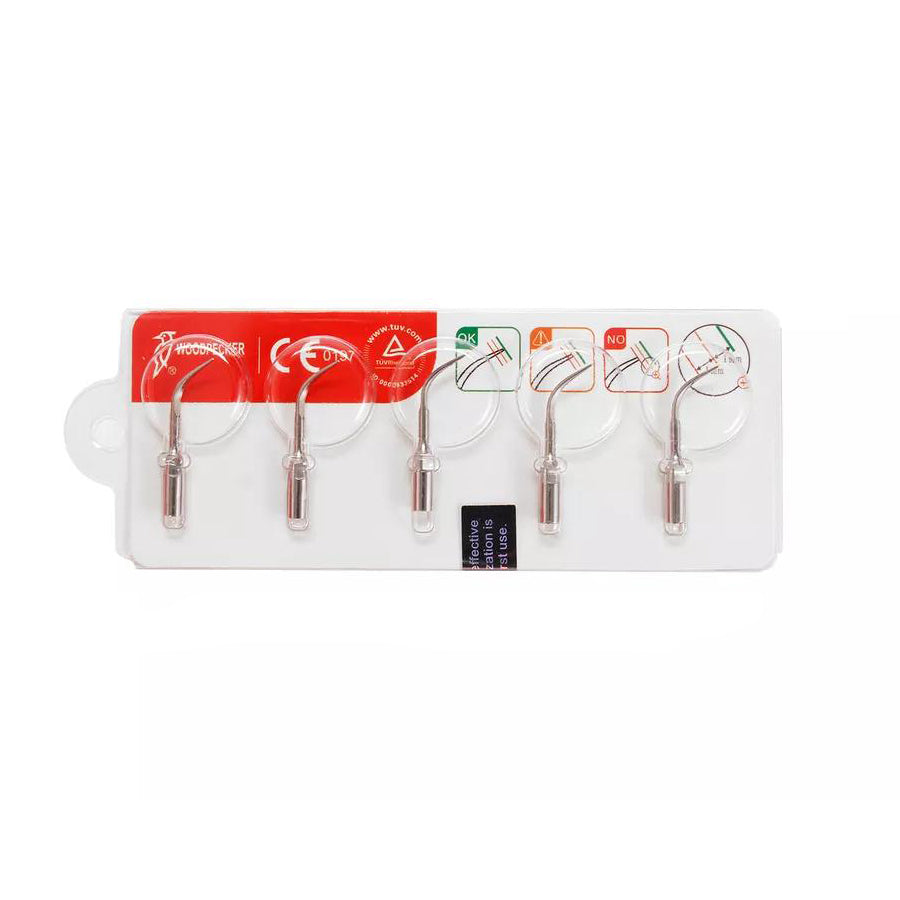
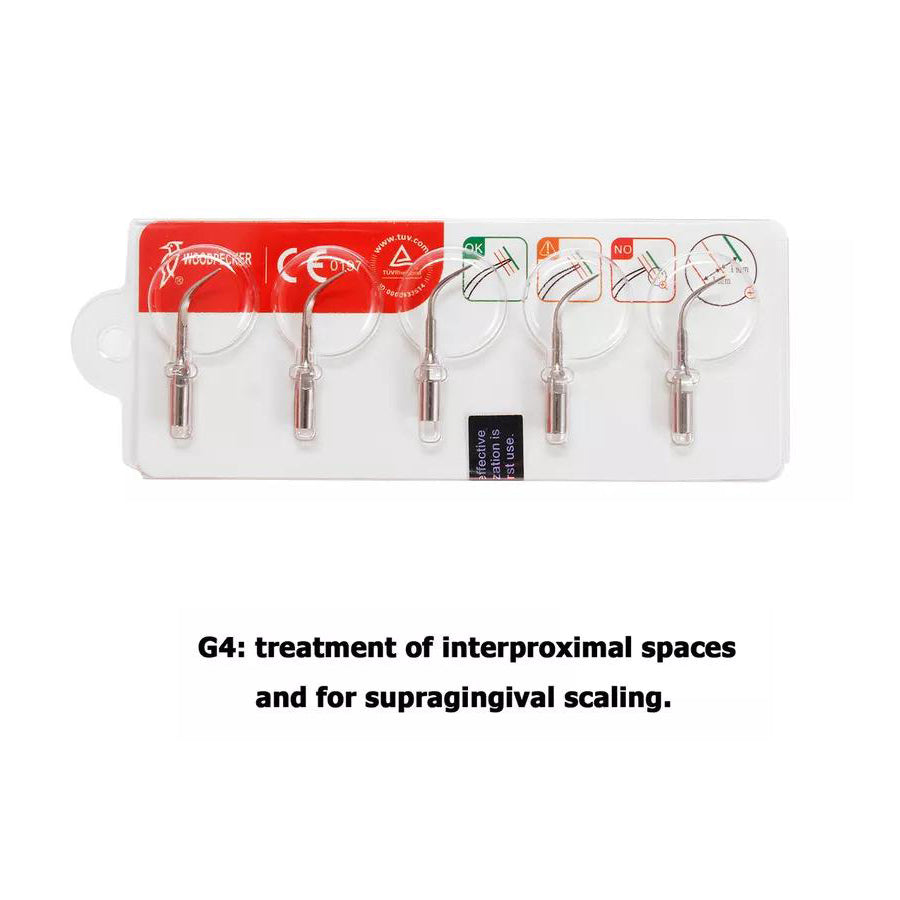
Woodpecker G4 Ultrasonic Scaler Tips 5pcs/Set
Choose your option
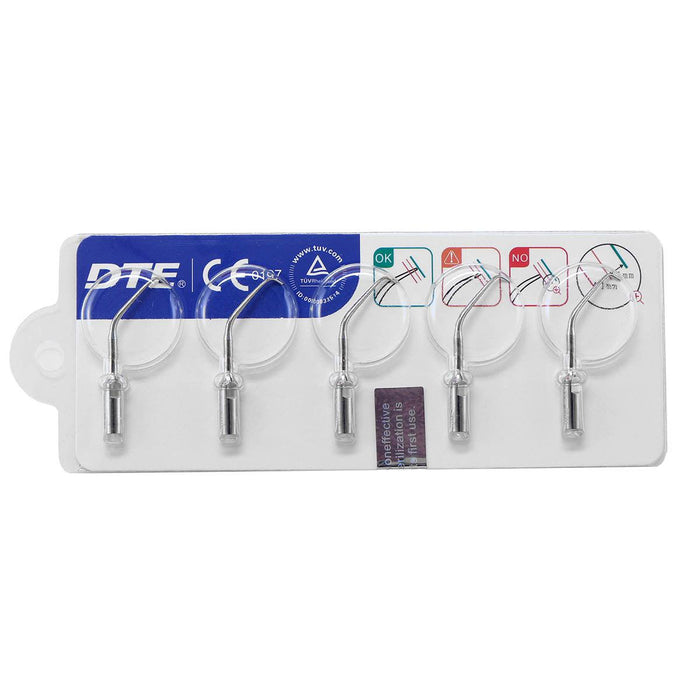
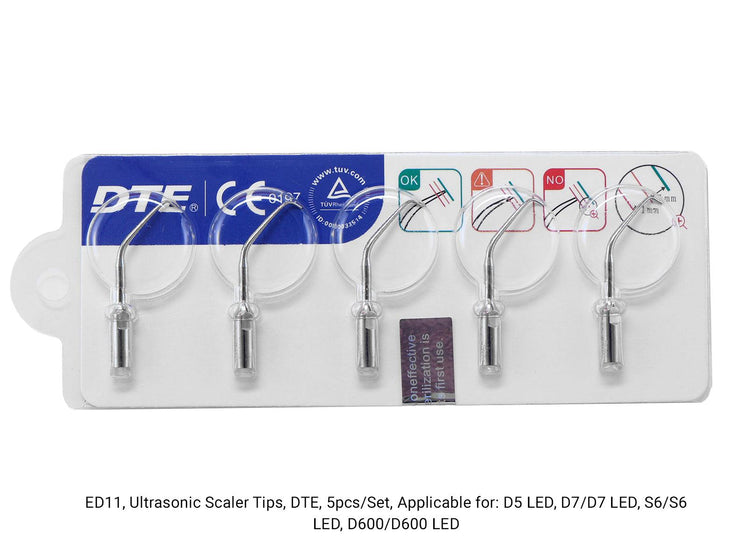
Woodpecker DTE ED11 Ultrasonic Scaler Tips 5Pcs/ Set
Choose your option


Dental PerioPluse Ultrasonic Scaler Air Polisher 2 in 1 Sandblasting Periodontal Therapy System
Choose your option


VRN S-G1 Ultrasonic Scaler Tips 5Pcs/Box
Choose your option
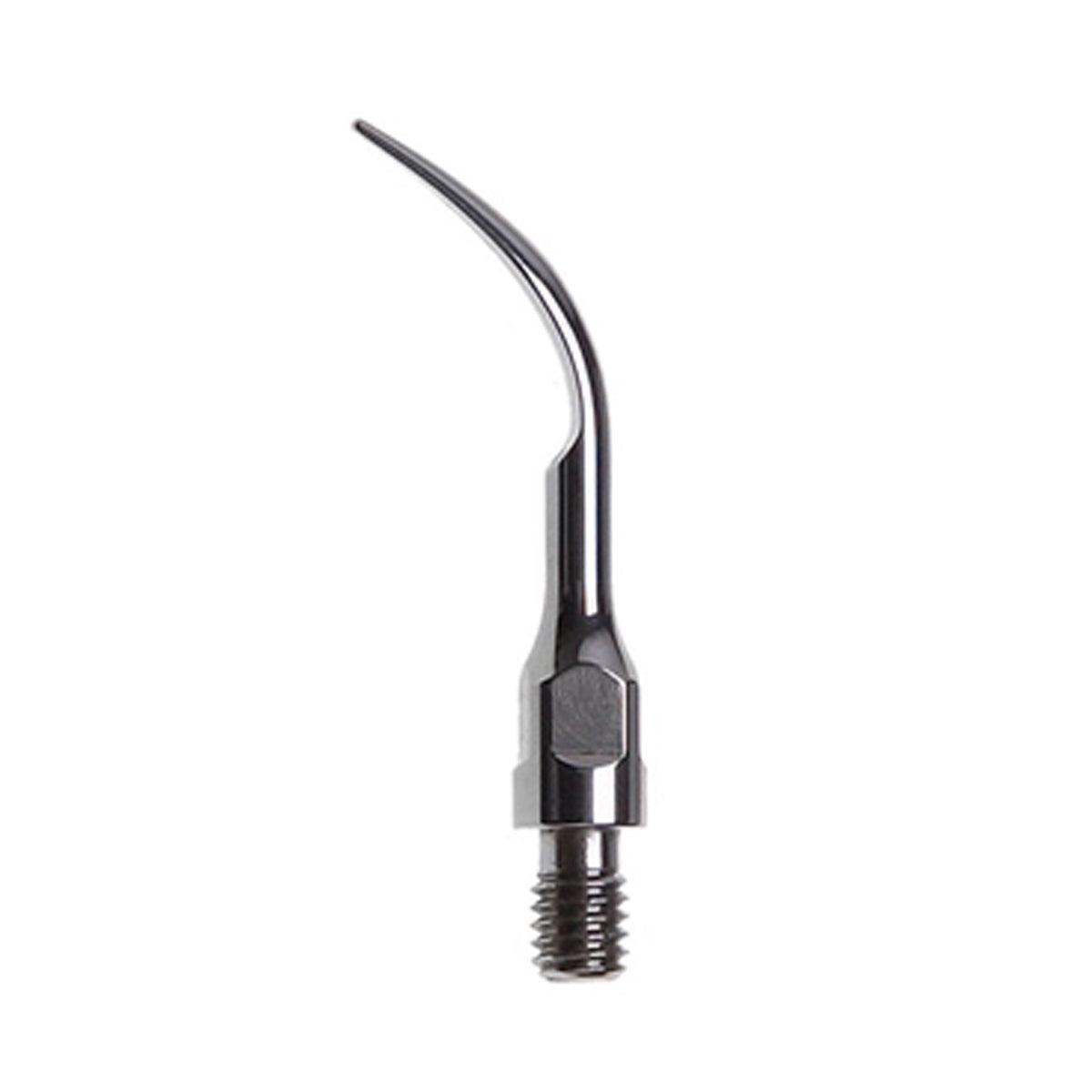
Woodpecker GS1 Ultrasonic Scaler Tips 1 PC
Choose your option
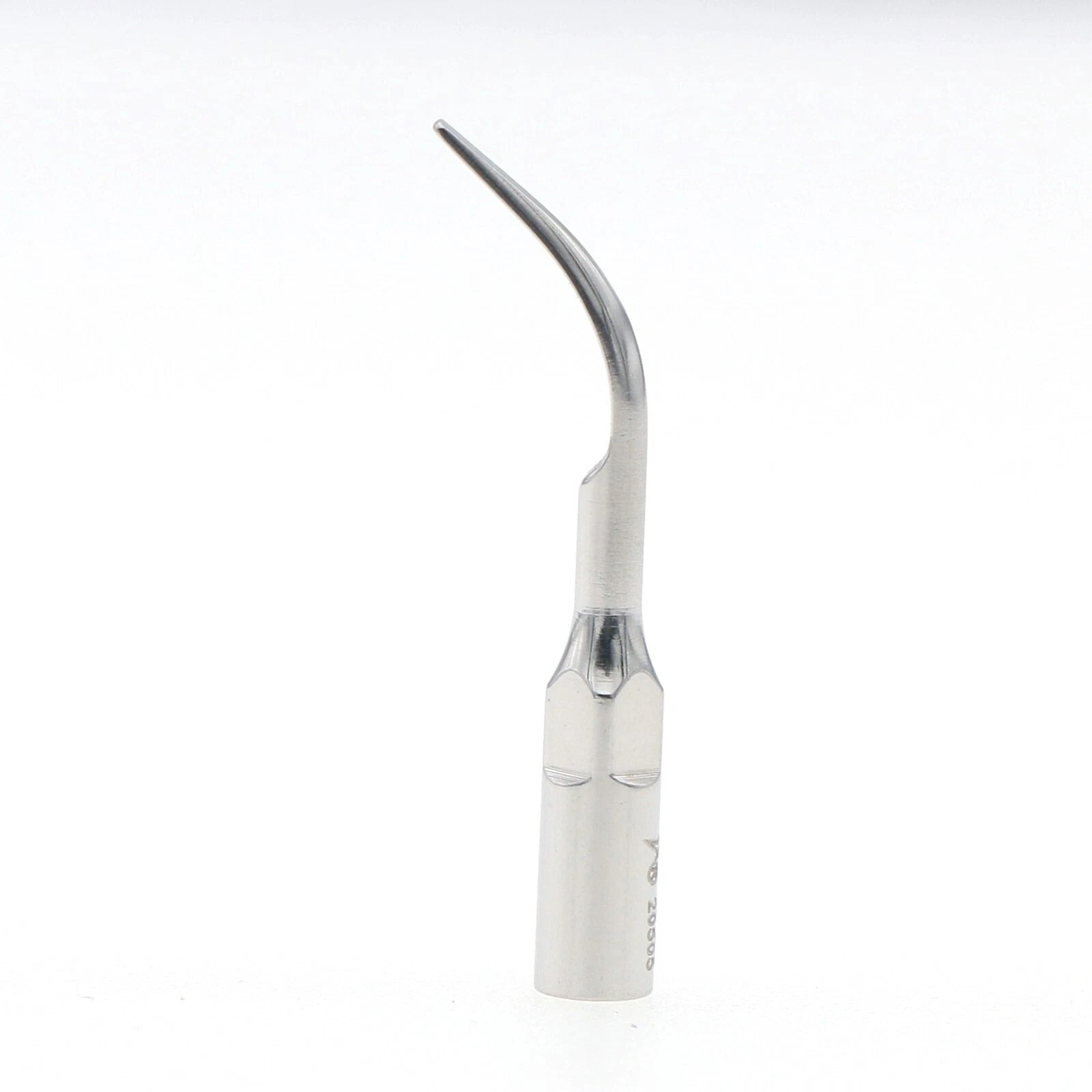
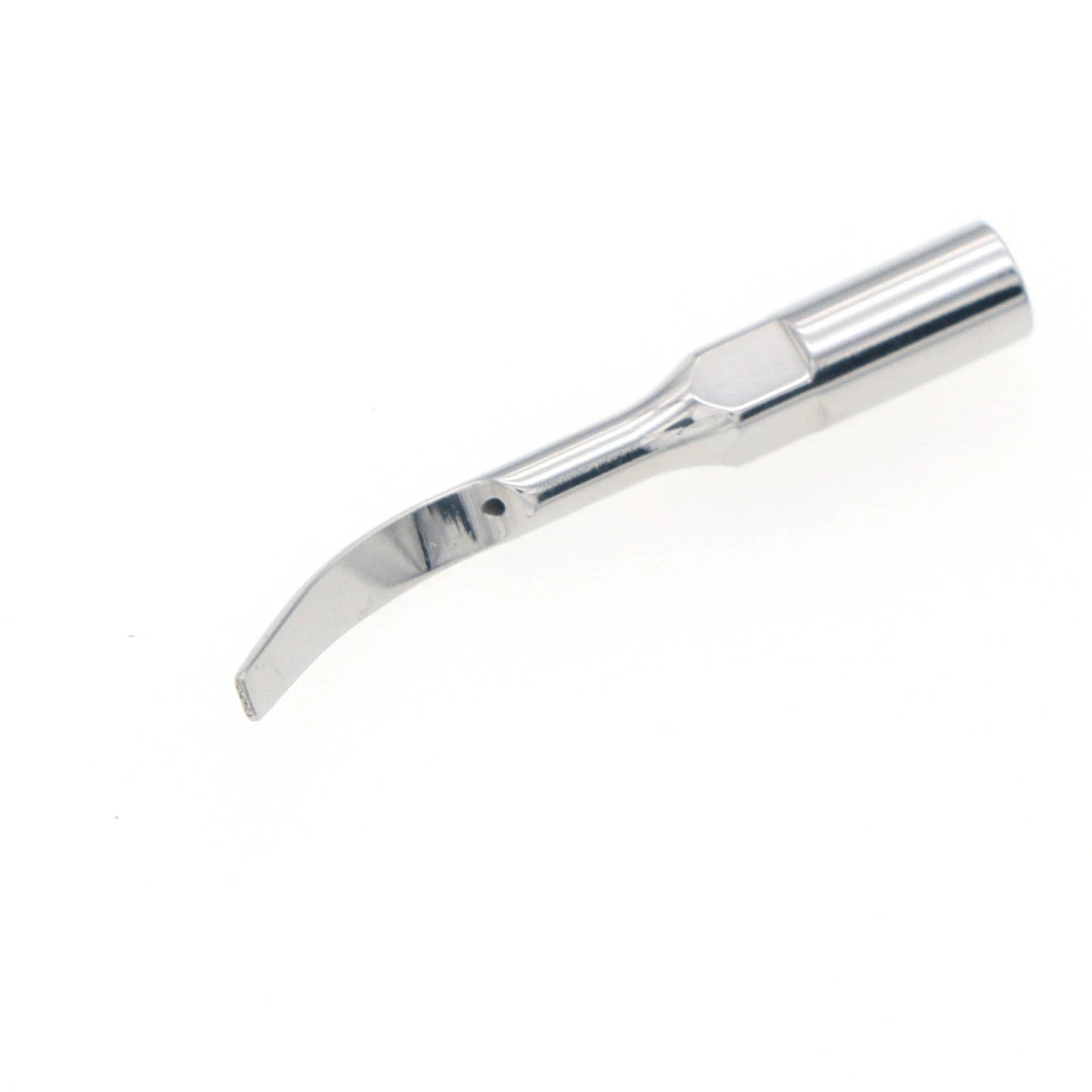
Woodpecker G2 Ultrasonic Scaler Tips 1 PC
Choose your option


Woodpecker P4D Ultrasonic Scaler Tips 5PCS
Choose your option
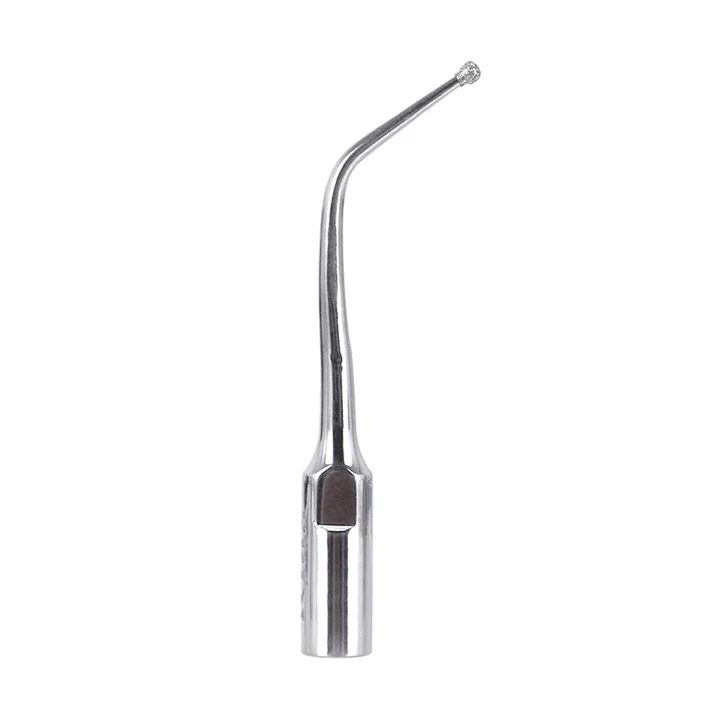
Woodpecker DTE SBD1 Ultrasonic Scaler Tips 1 PC
Choose your option
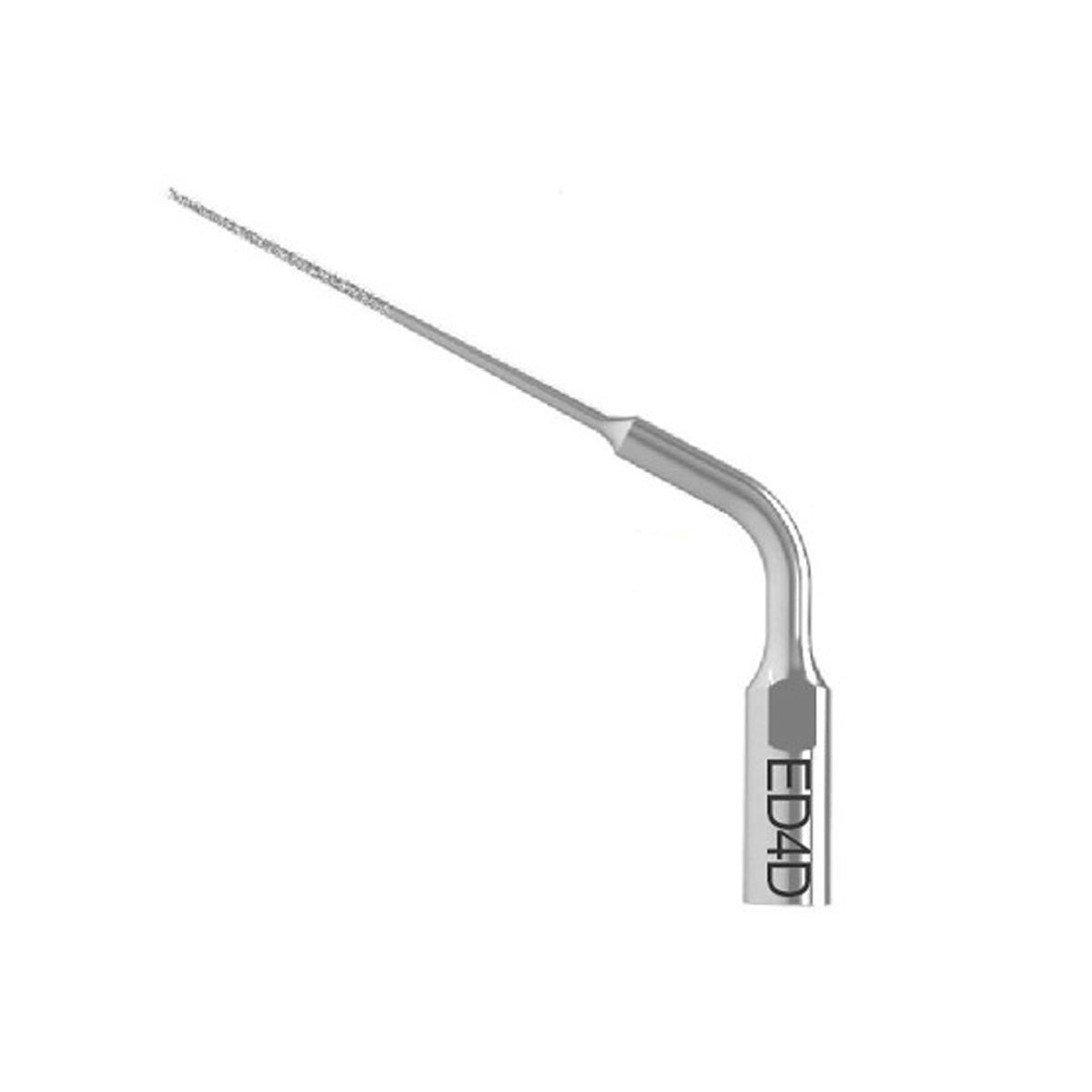
Woodpecker DTE ED4D Ultrasonic Scaler Tips 1 PC
Choose your option
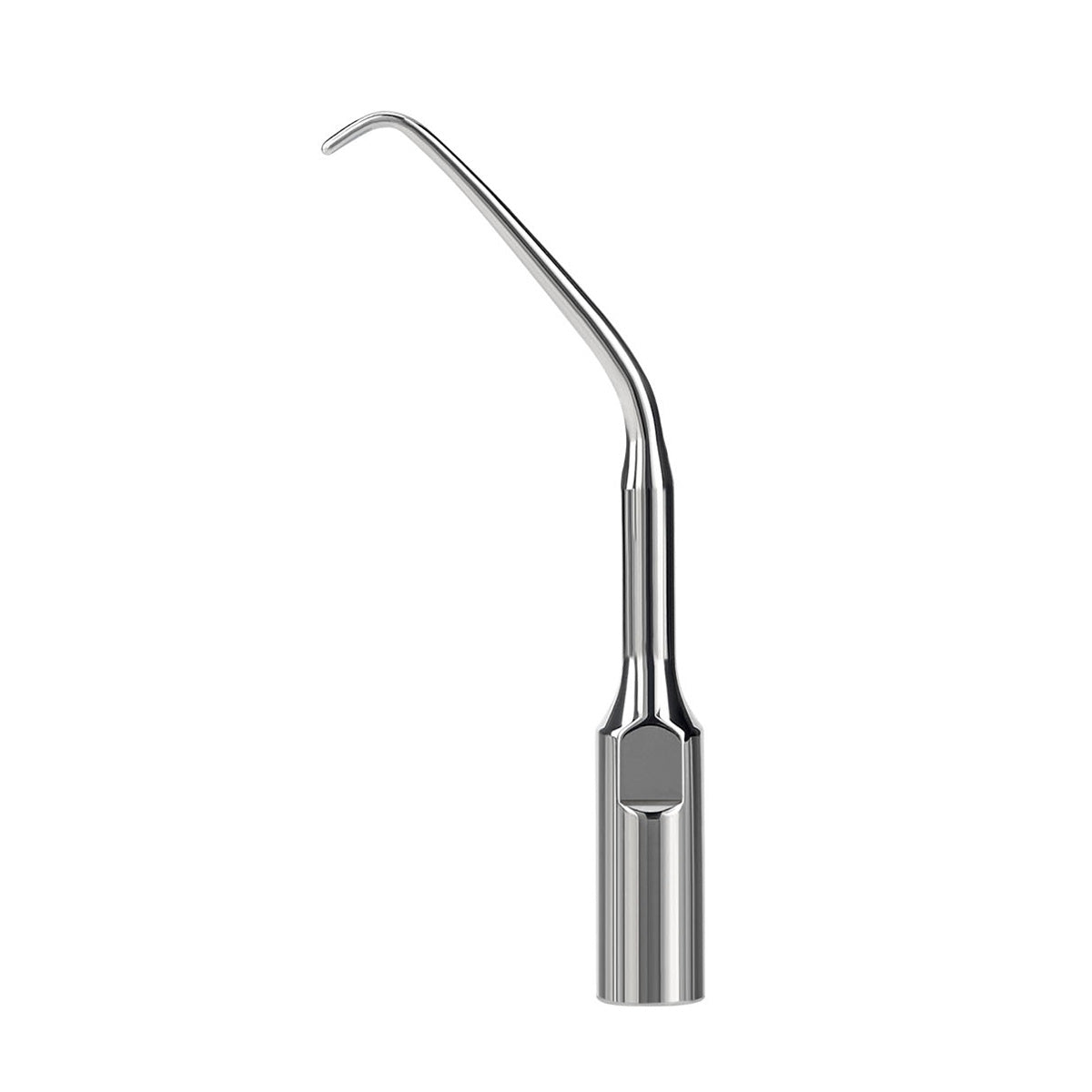
Woodpecker DTE ED11 Ultrasonic Scaler Tips 1 PC
Choose your option
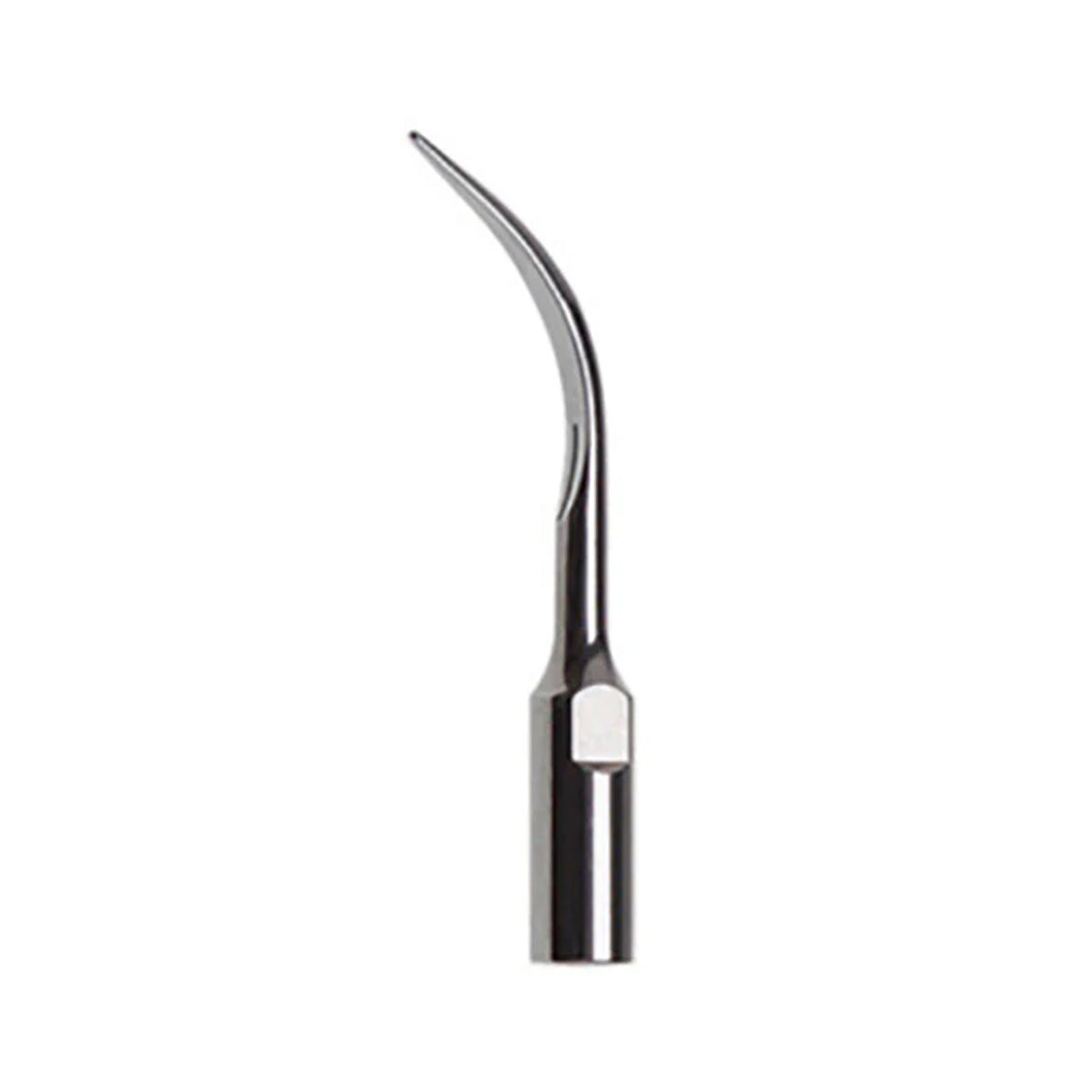
Woodpecker DTE GD5 Ultrasonic Scaler Tips 1 PC
Choose your option
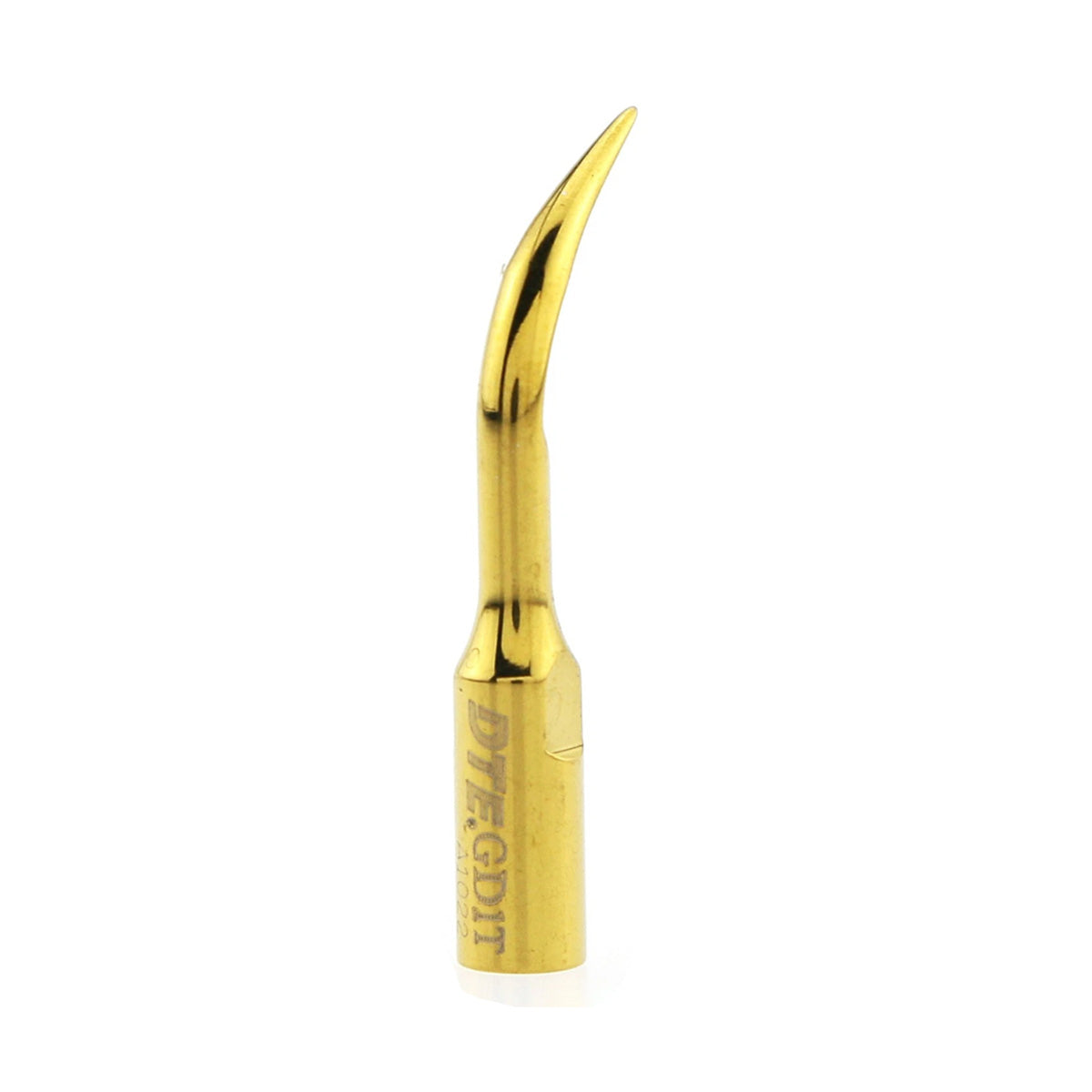
Woodpecker DTE GD1T Ultrasonic Scaler Tips 5Pcs/Set
Choose your option
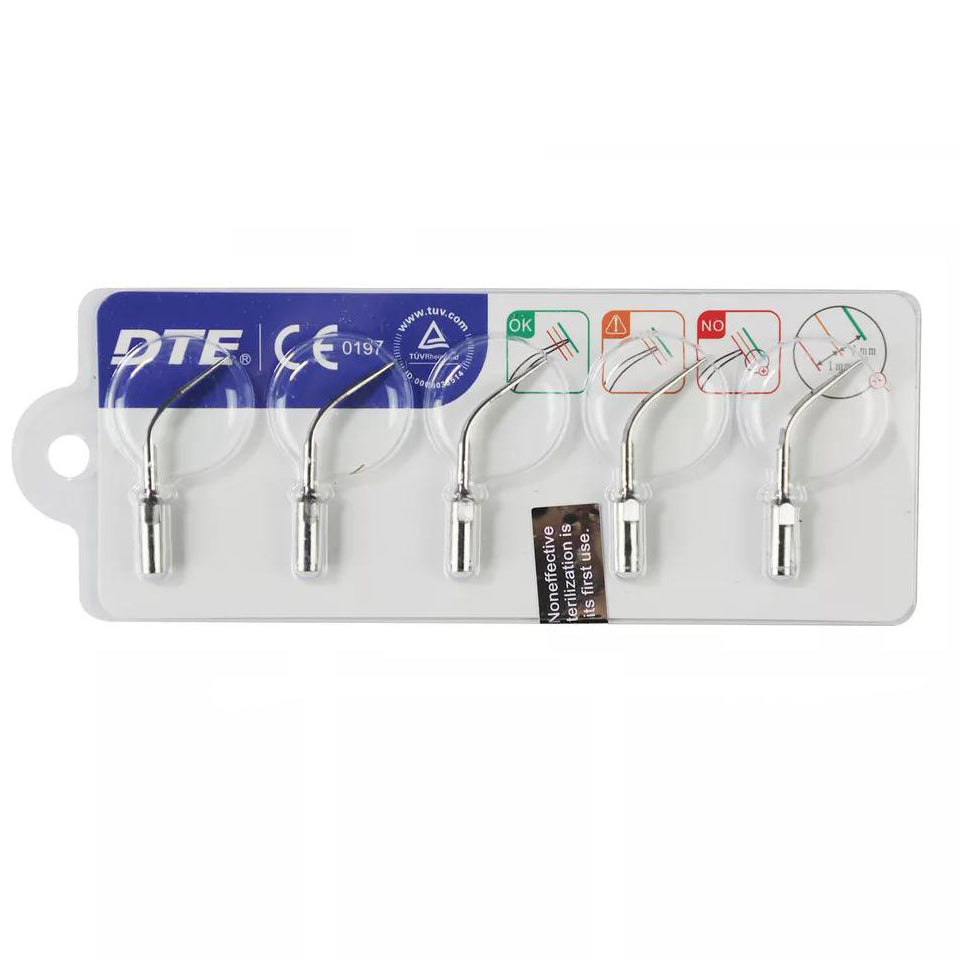
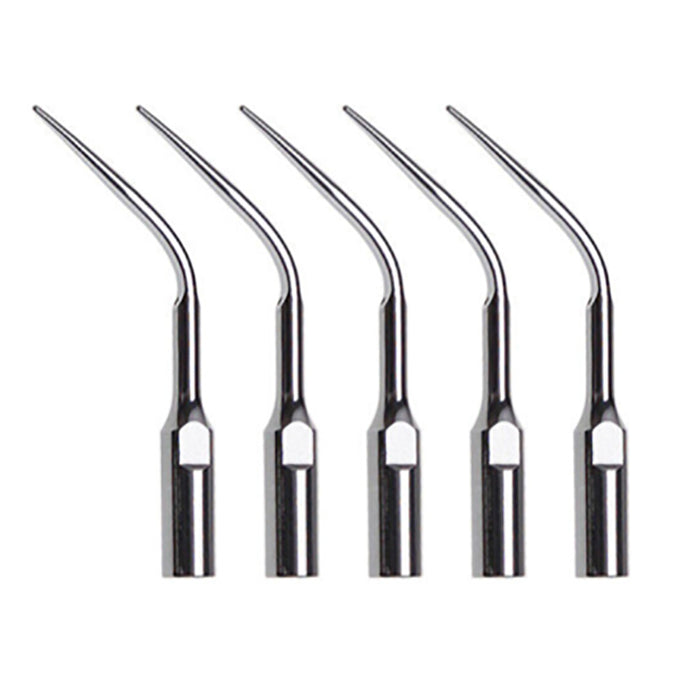
Woodpecker DTE GD3 Ultrasonic Scaler Tips 5Pcs/ Set
Choose your option


Woodpecker Dental PT-A Ultrasonic Scaler & Air Polisher 2 in 1 Smart System
Choose your option

Woodpecker DTE ED7 Ultrasonic Scaler Tips 1/pk
Choose your option
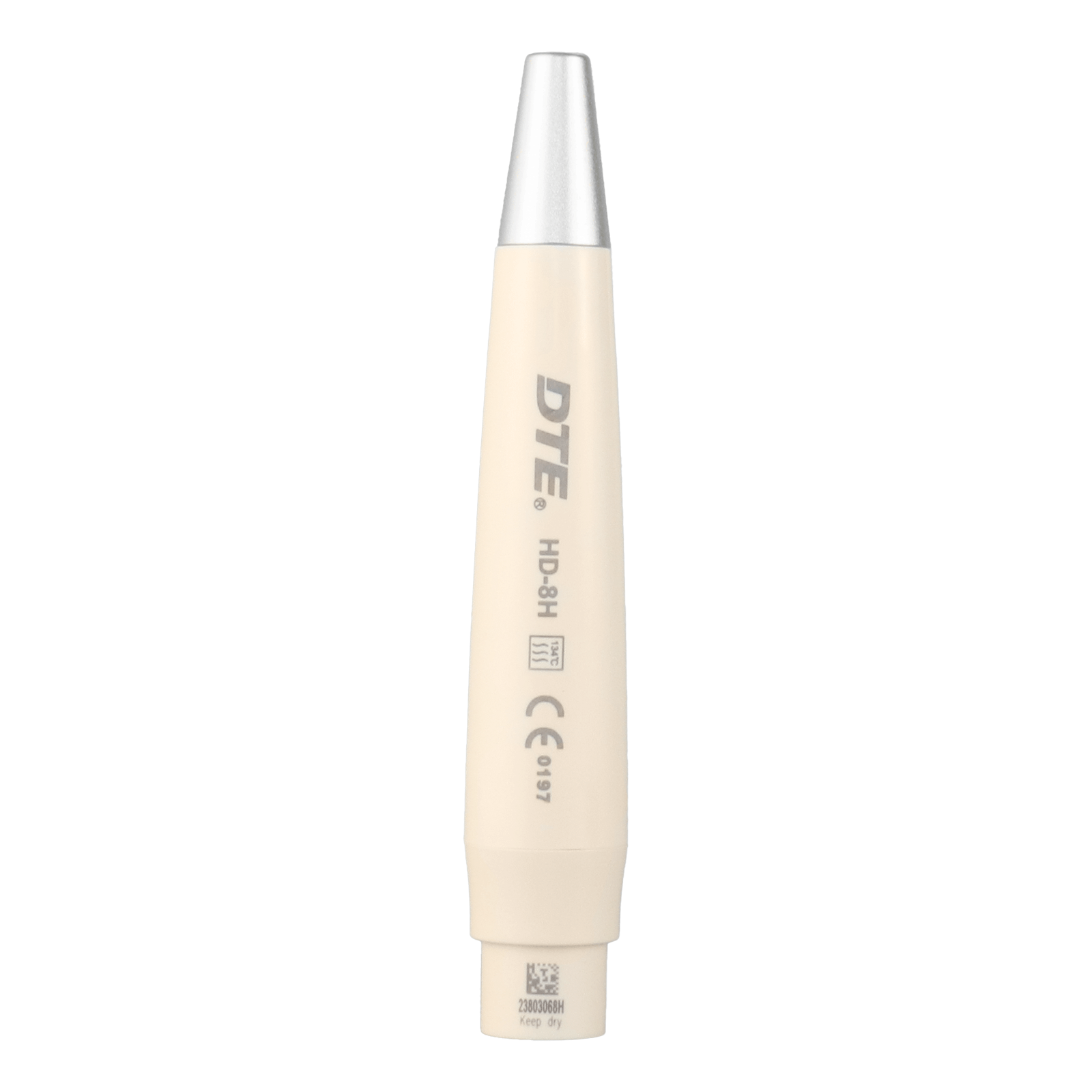
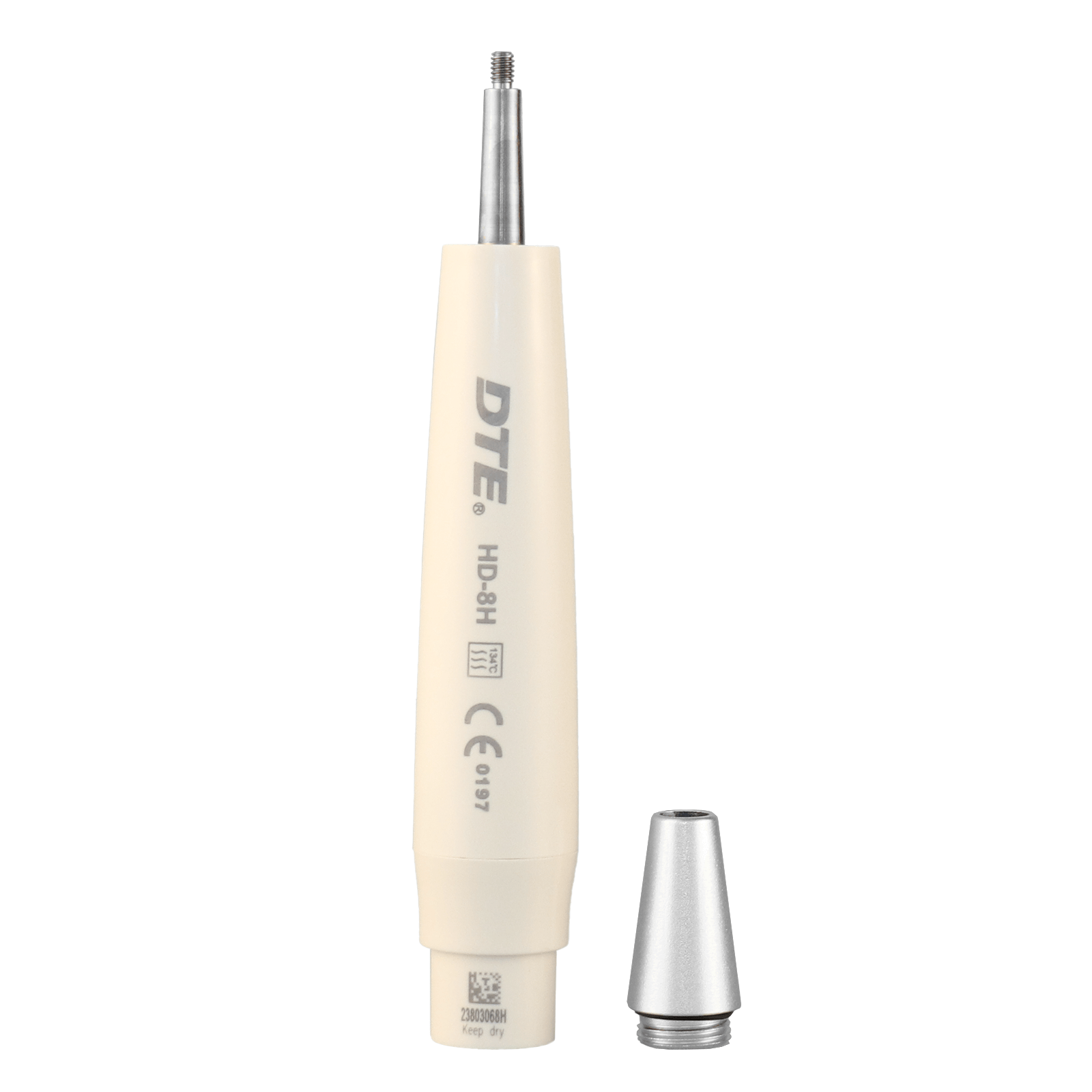
Woodpecker HD-8H Handpiece For DTE SATELEC Ultrasonic Scalers
Choose your option
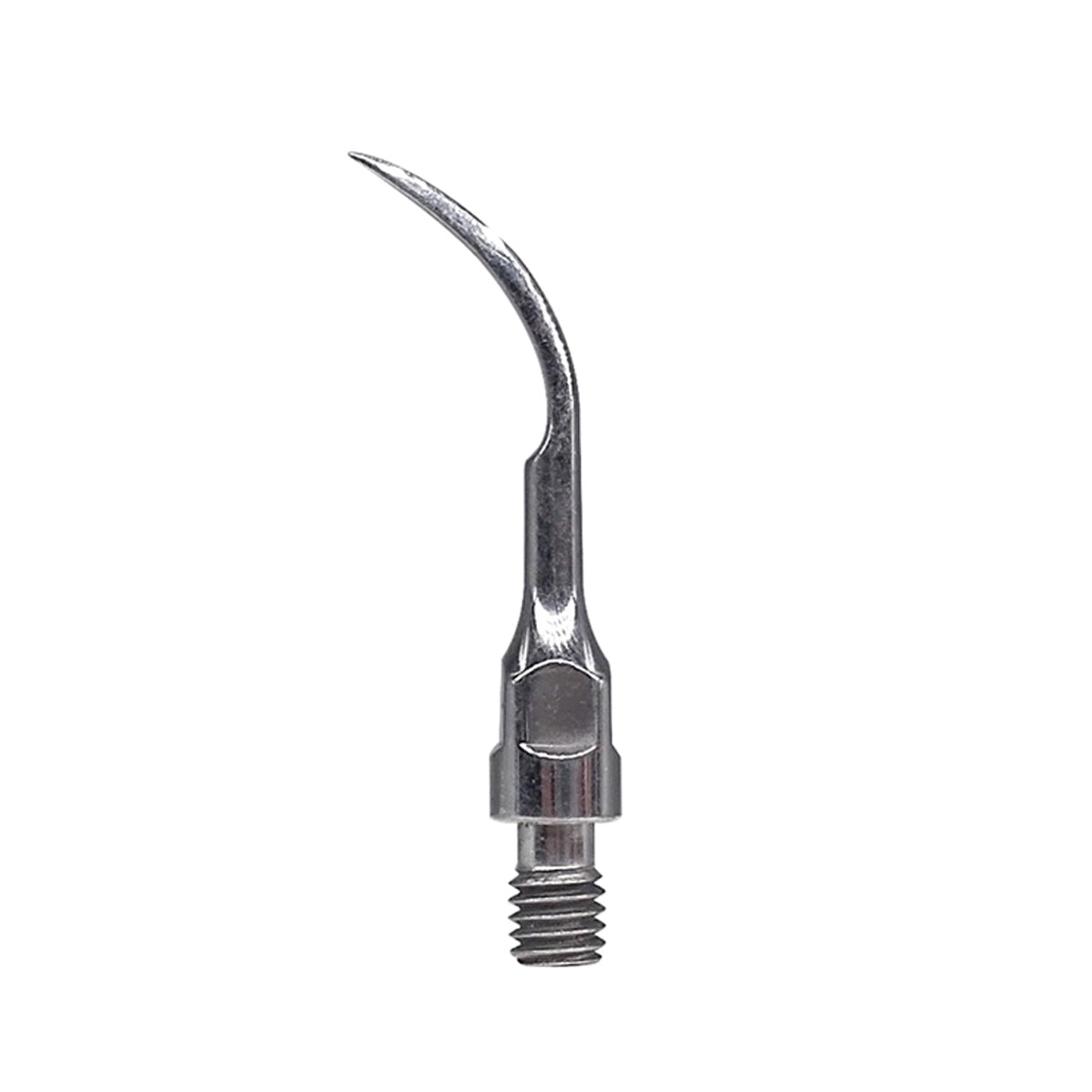
Woodpecker PS3 Ultrasonic Scaler Tips 1 PC
Choose your option
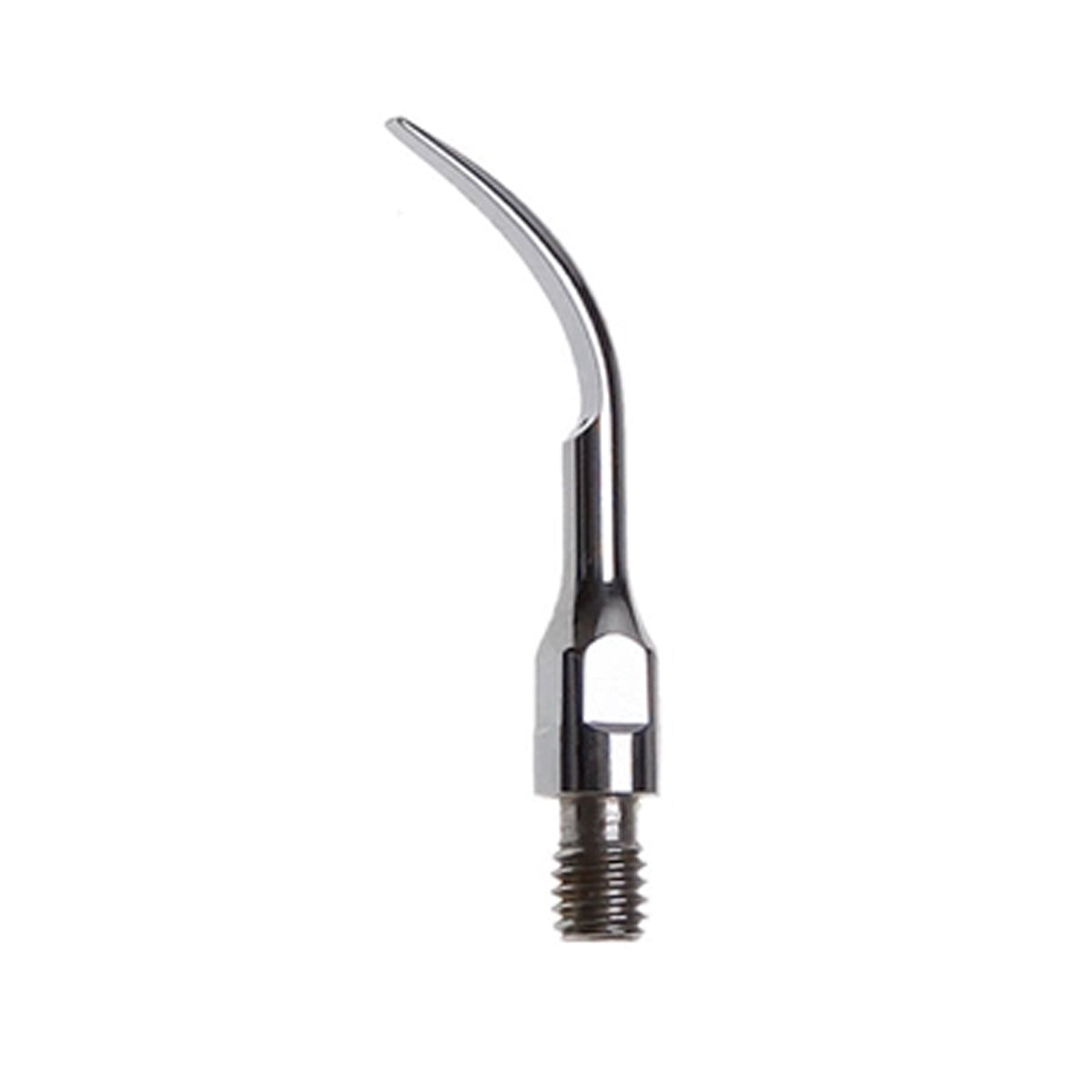
Woodpecker GS2 Ultrasonic Scaler Tips 1 PC
Choose your option
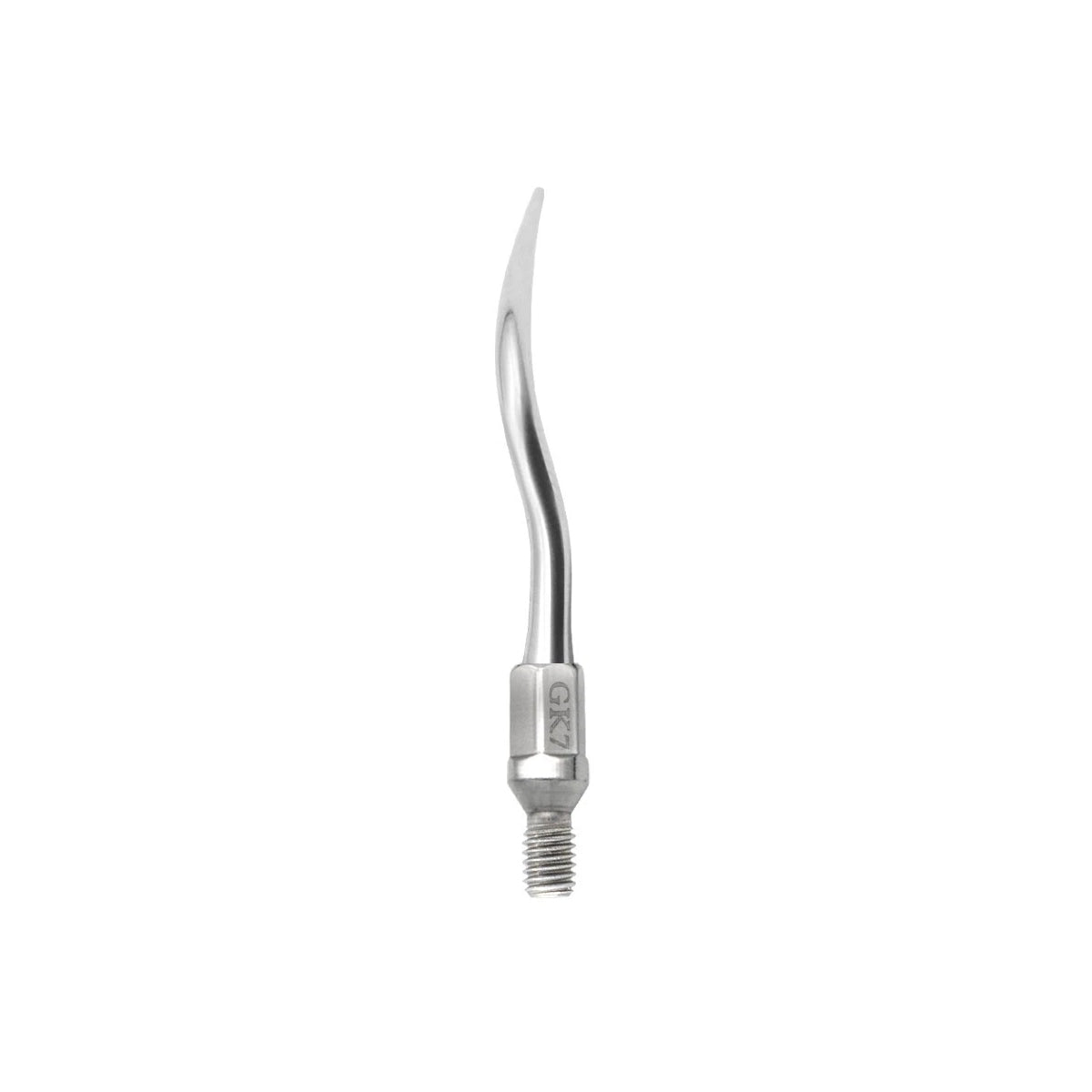
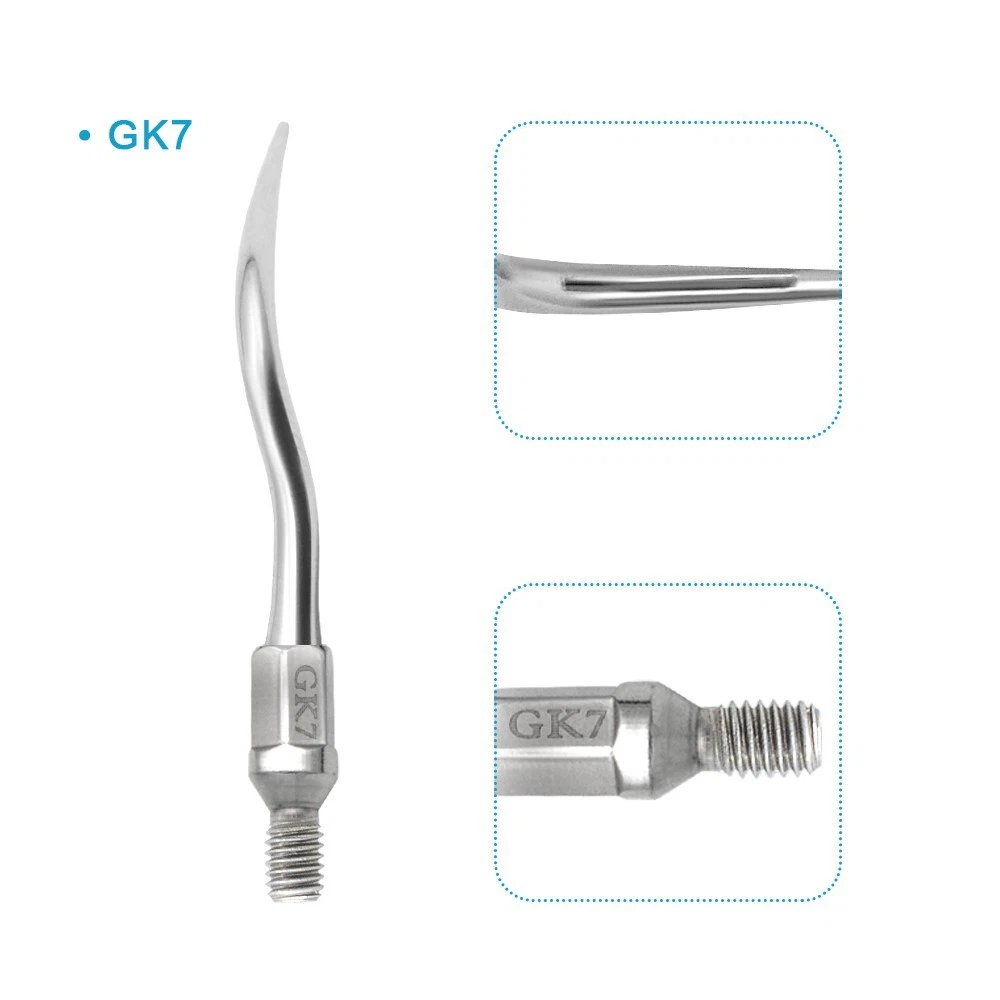
Woodpecker GK7 Scaler Tips 1 PC
Choose your option
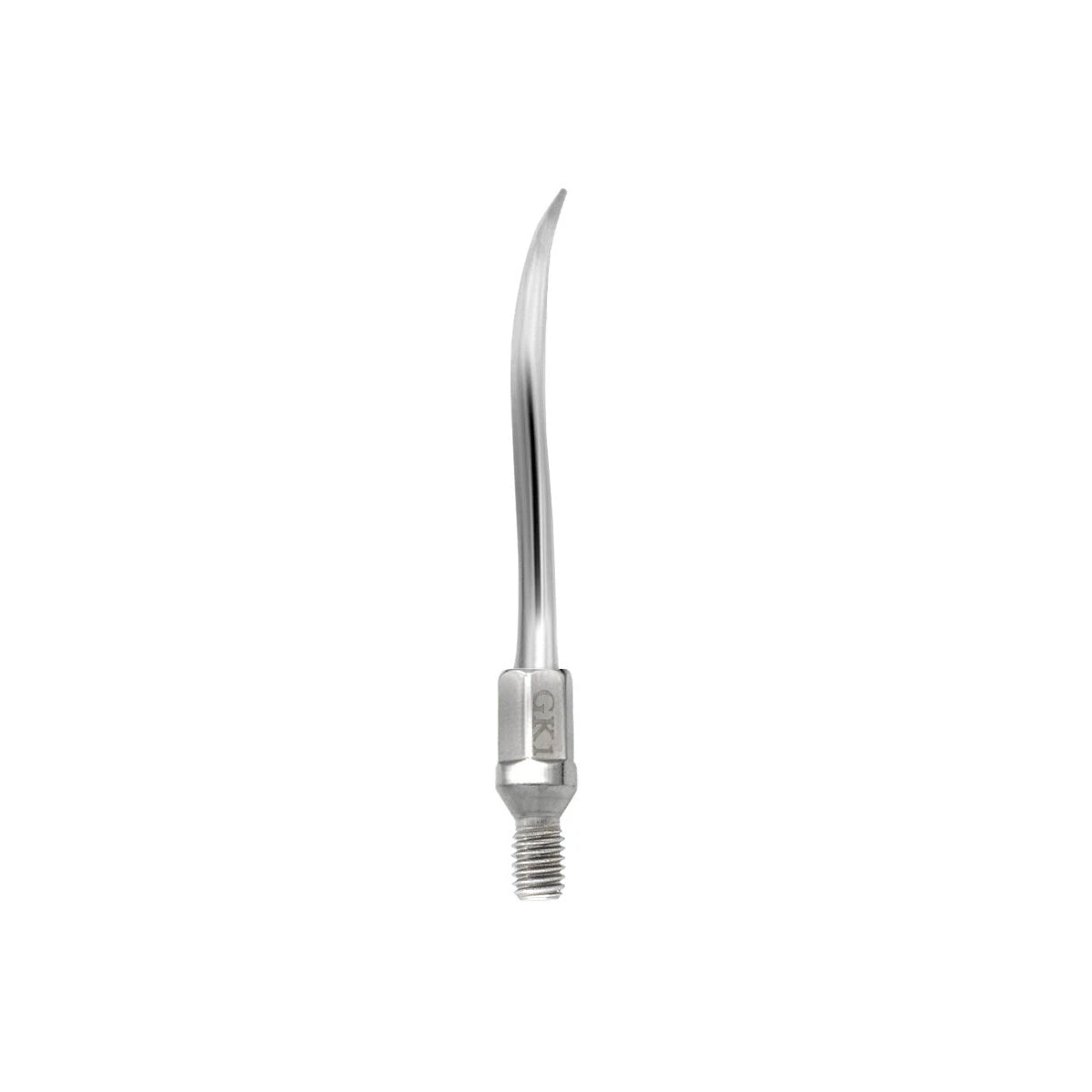
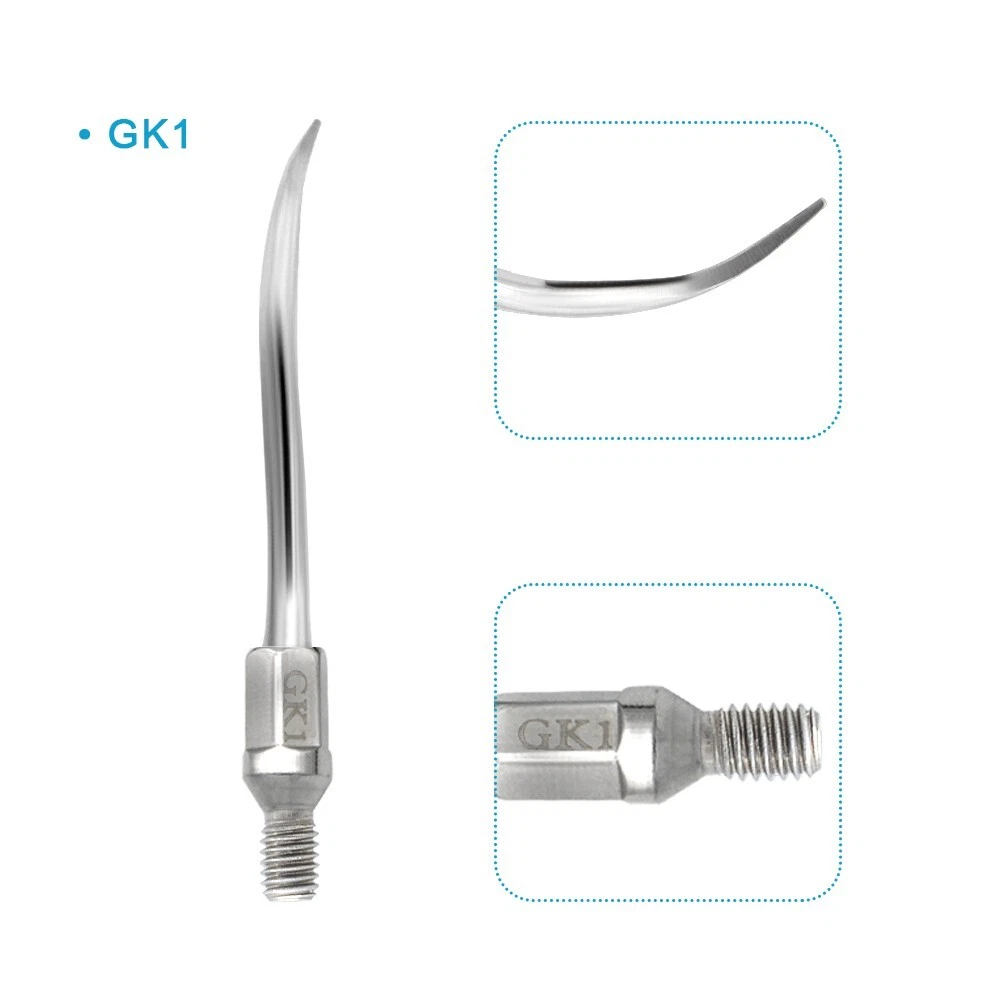
Woodpecker GK1 Scaler Tips 1 PC
Choose your option
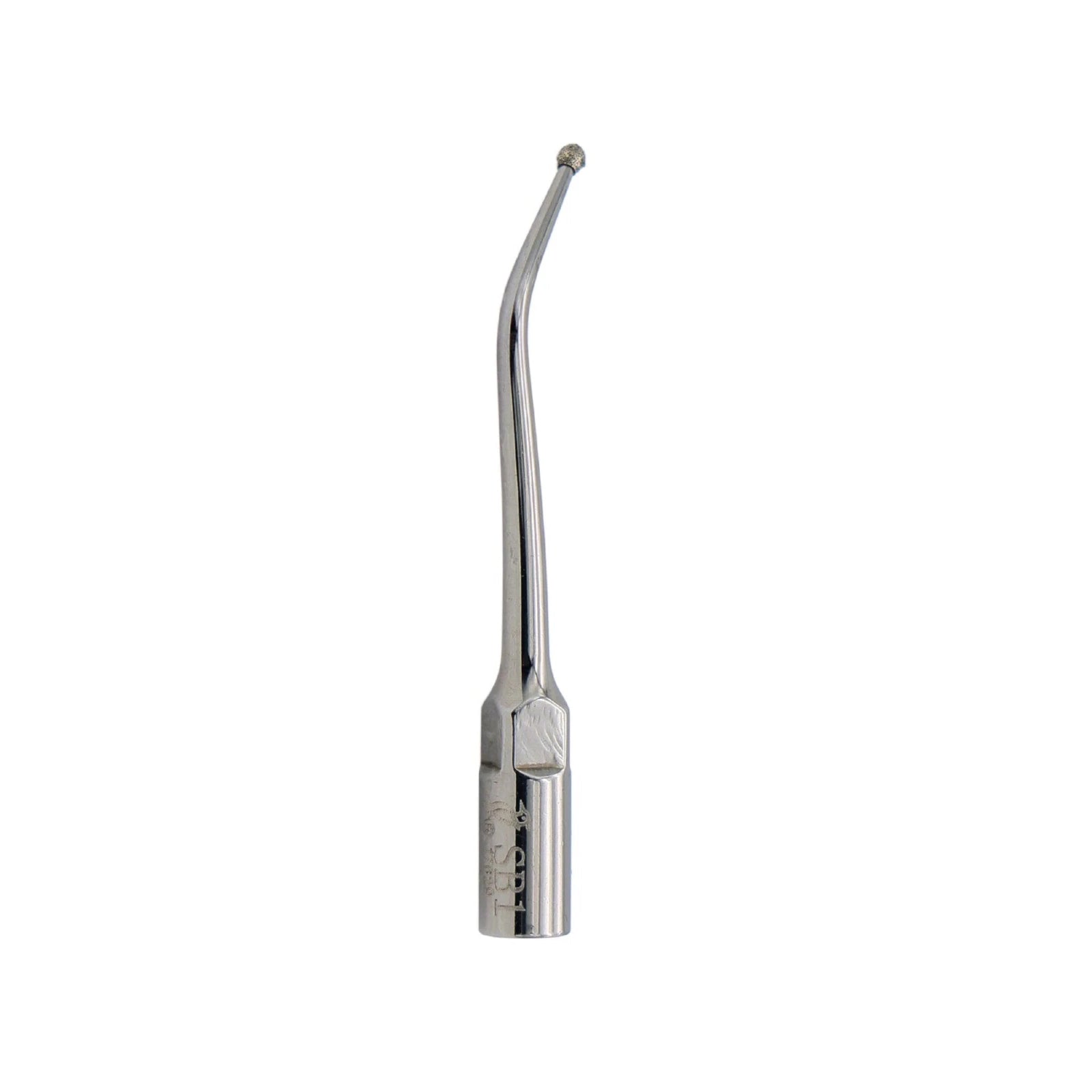
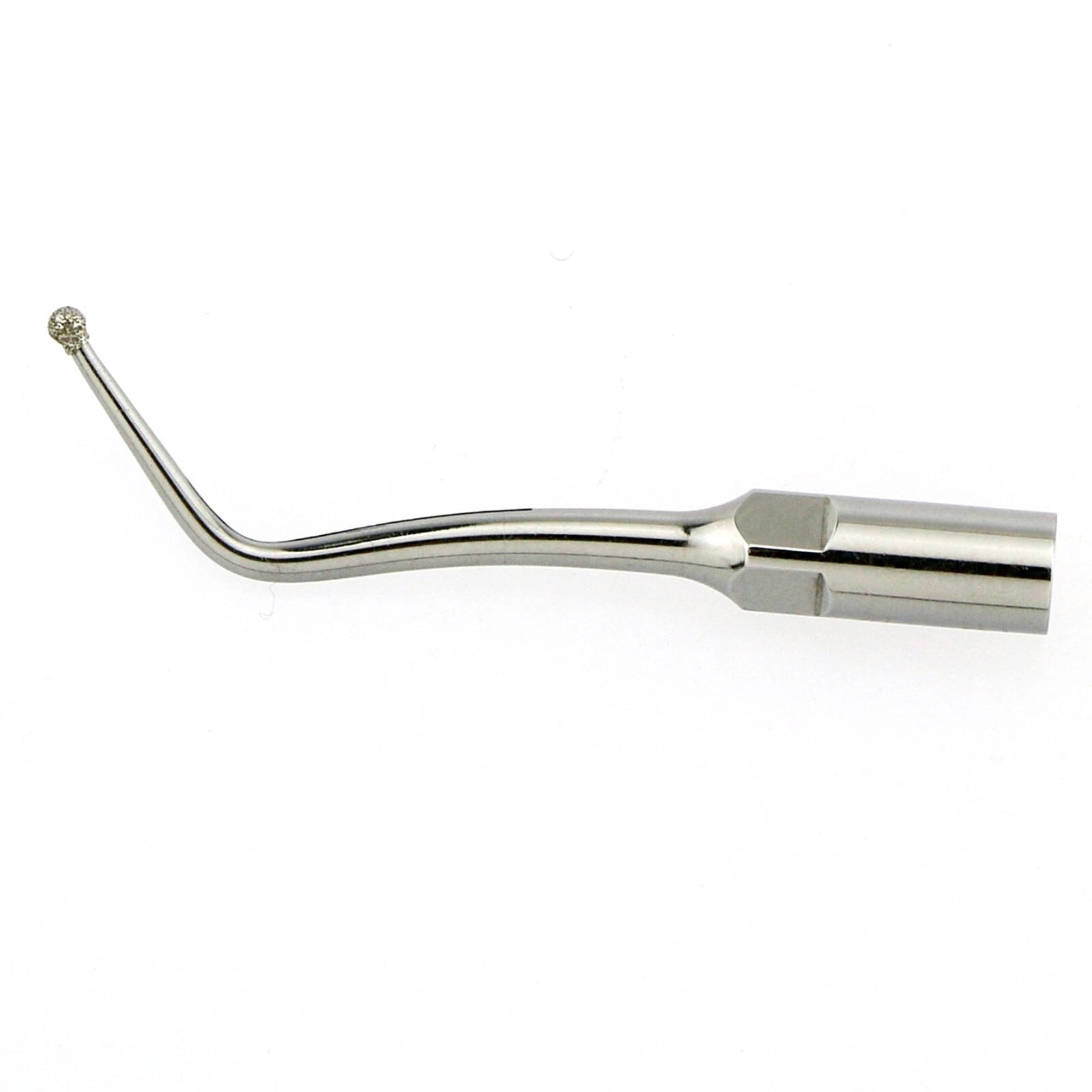
Woodpecker SB1 Ultrasonic Scaler Tips 1 PC
Choose your option
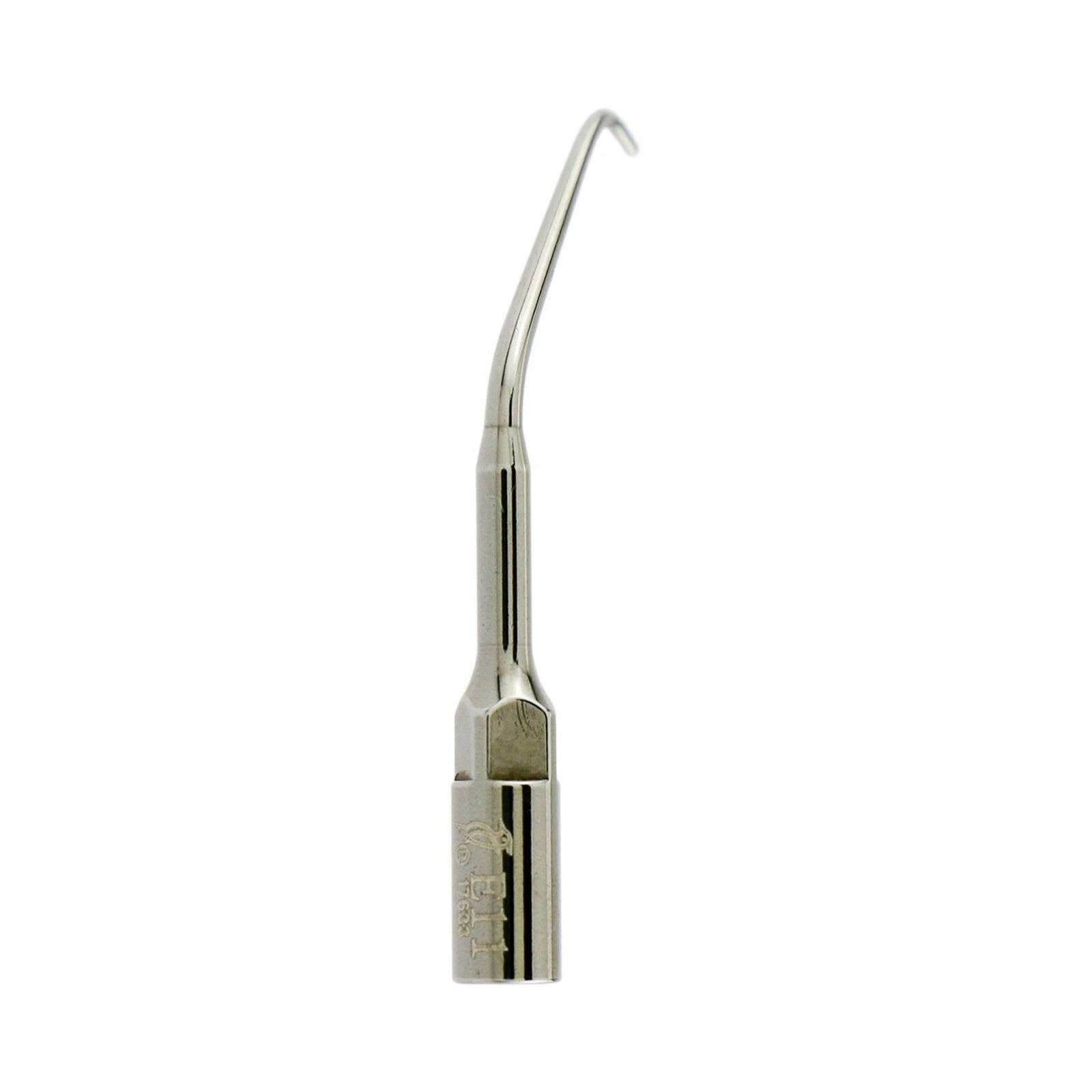
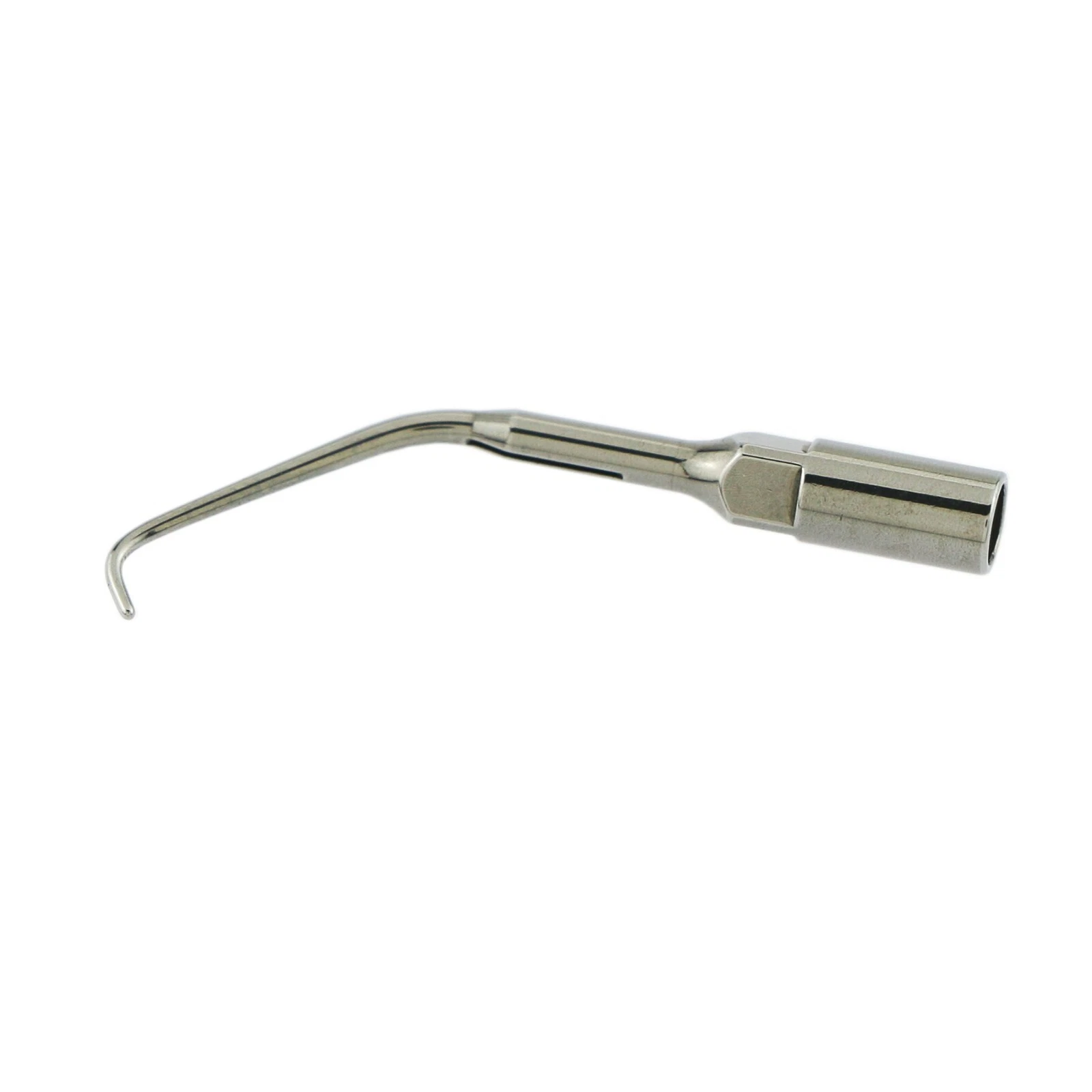
Woodpecker E11 Ultrasonic Scaler Tips 1 PC
Choose your option
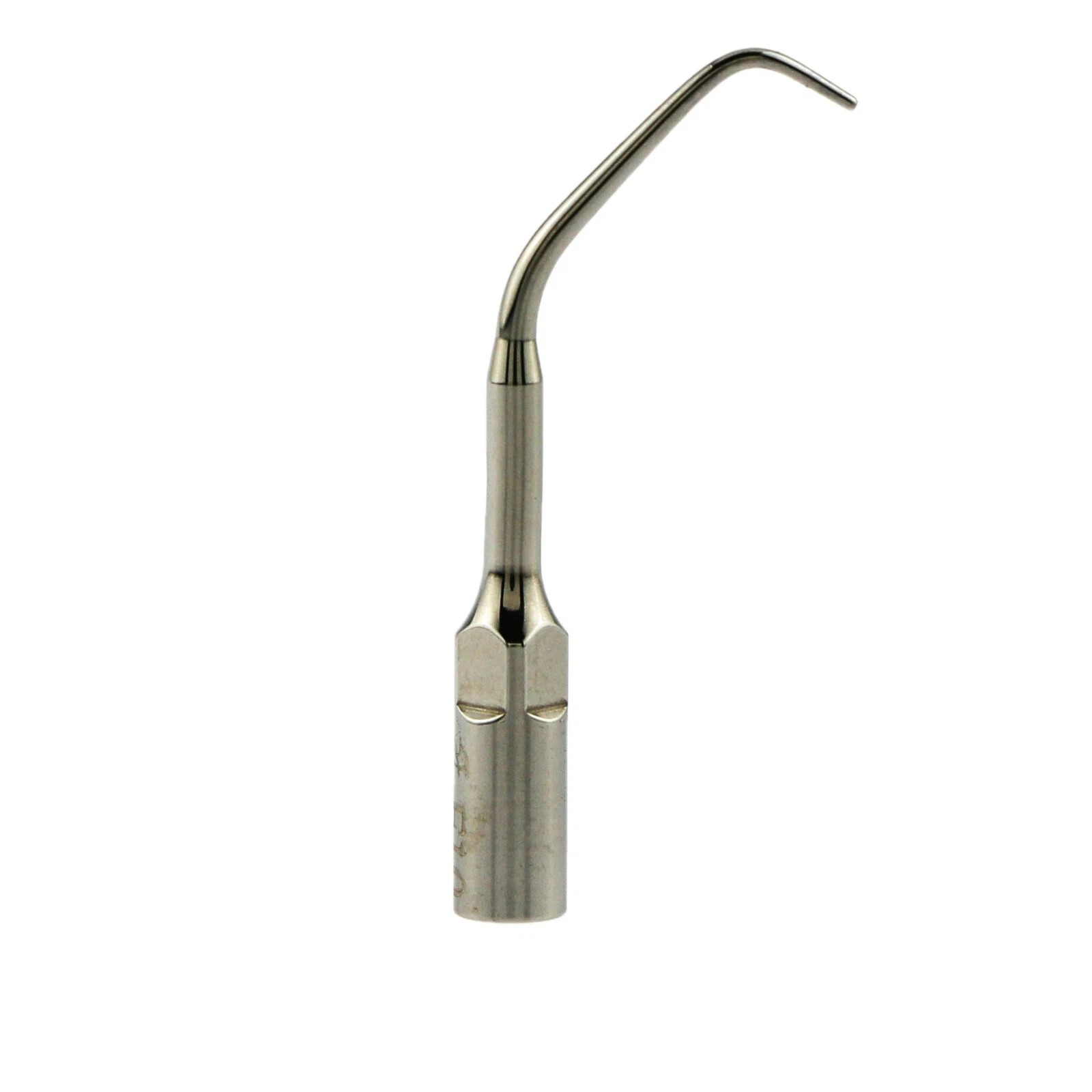
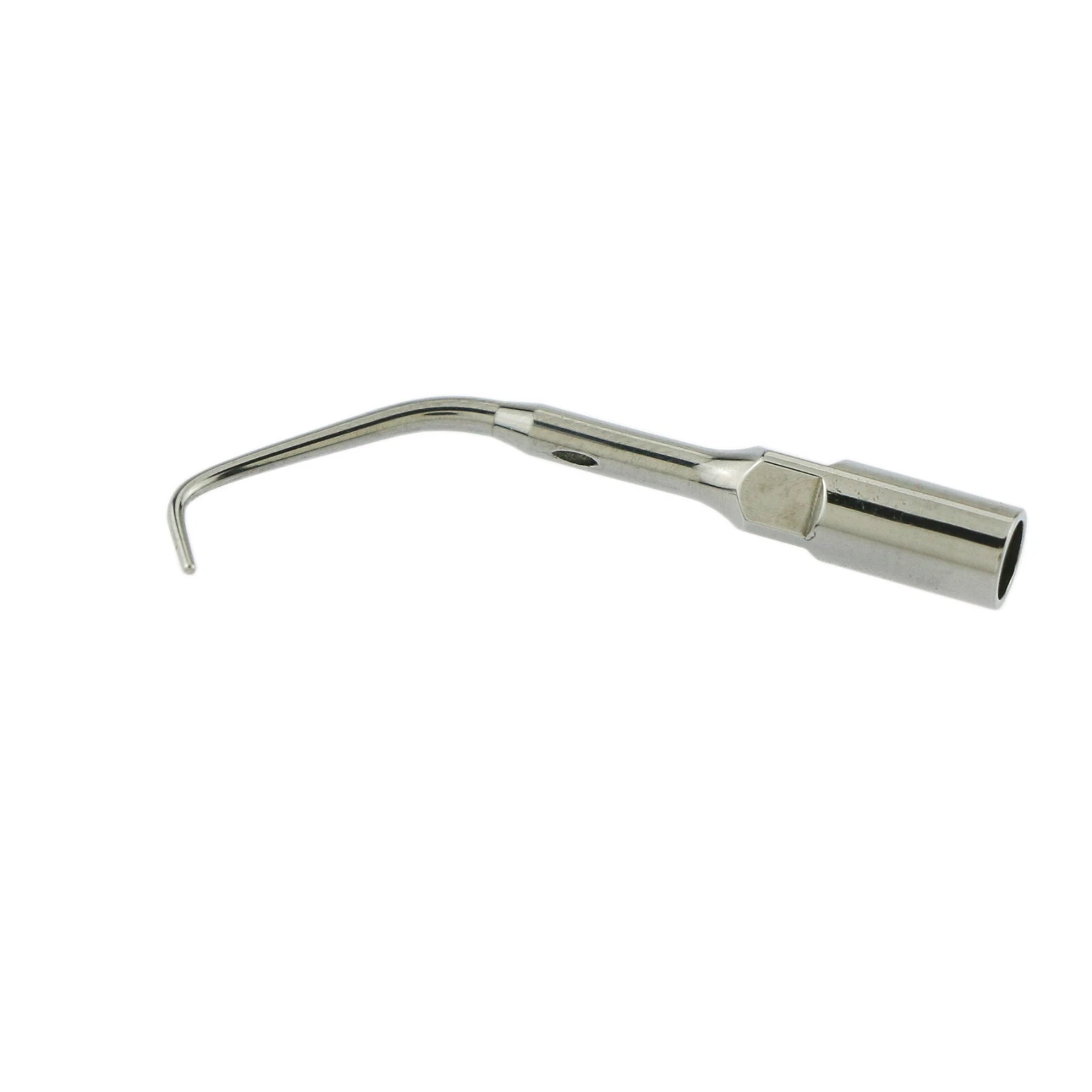
Woodpecker E10 Ultrasonic Scaler Tips 1 PC
Choose your option
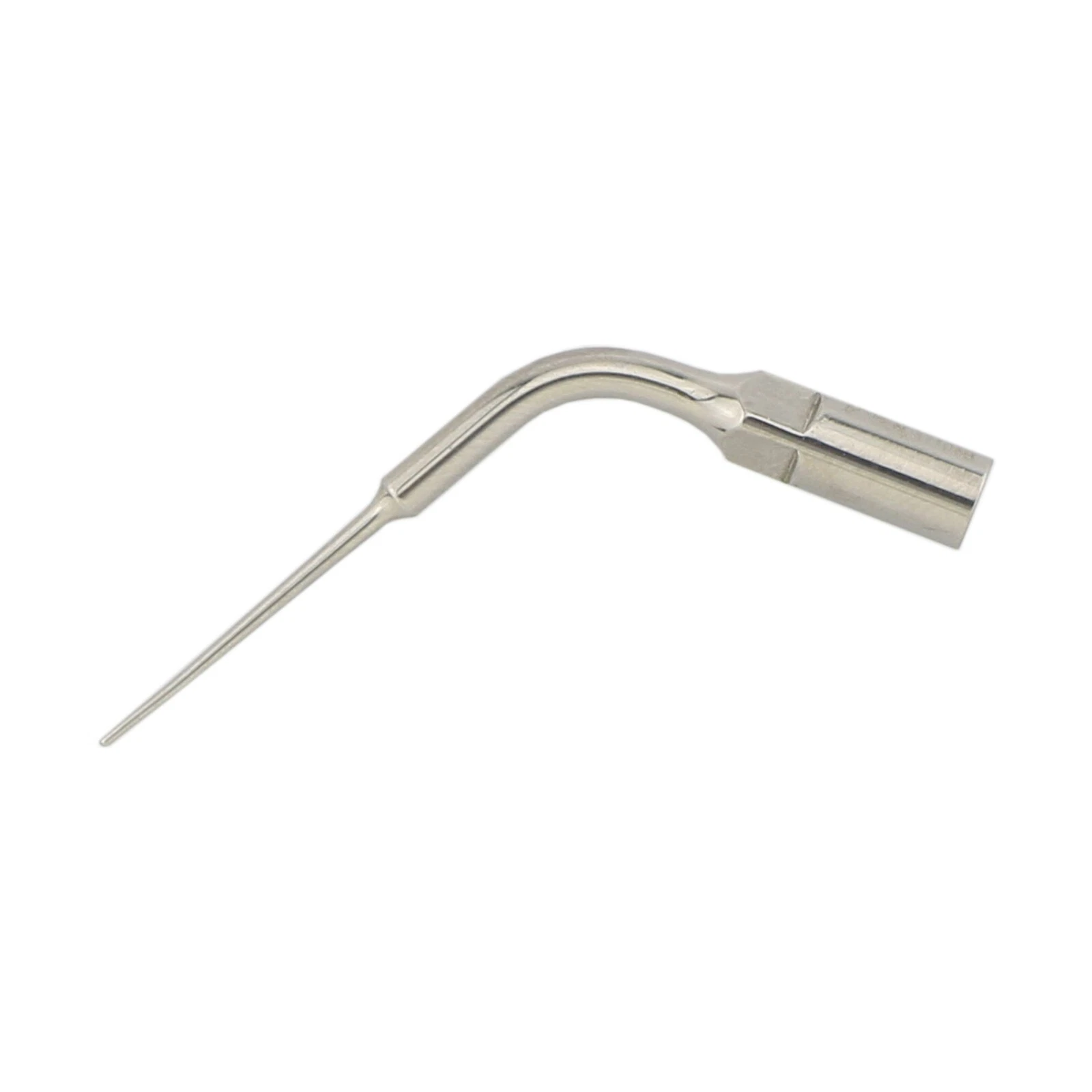
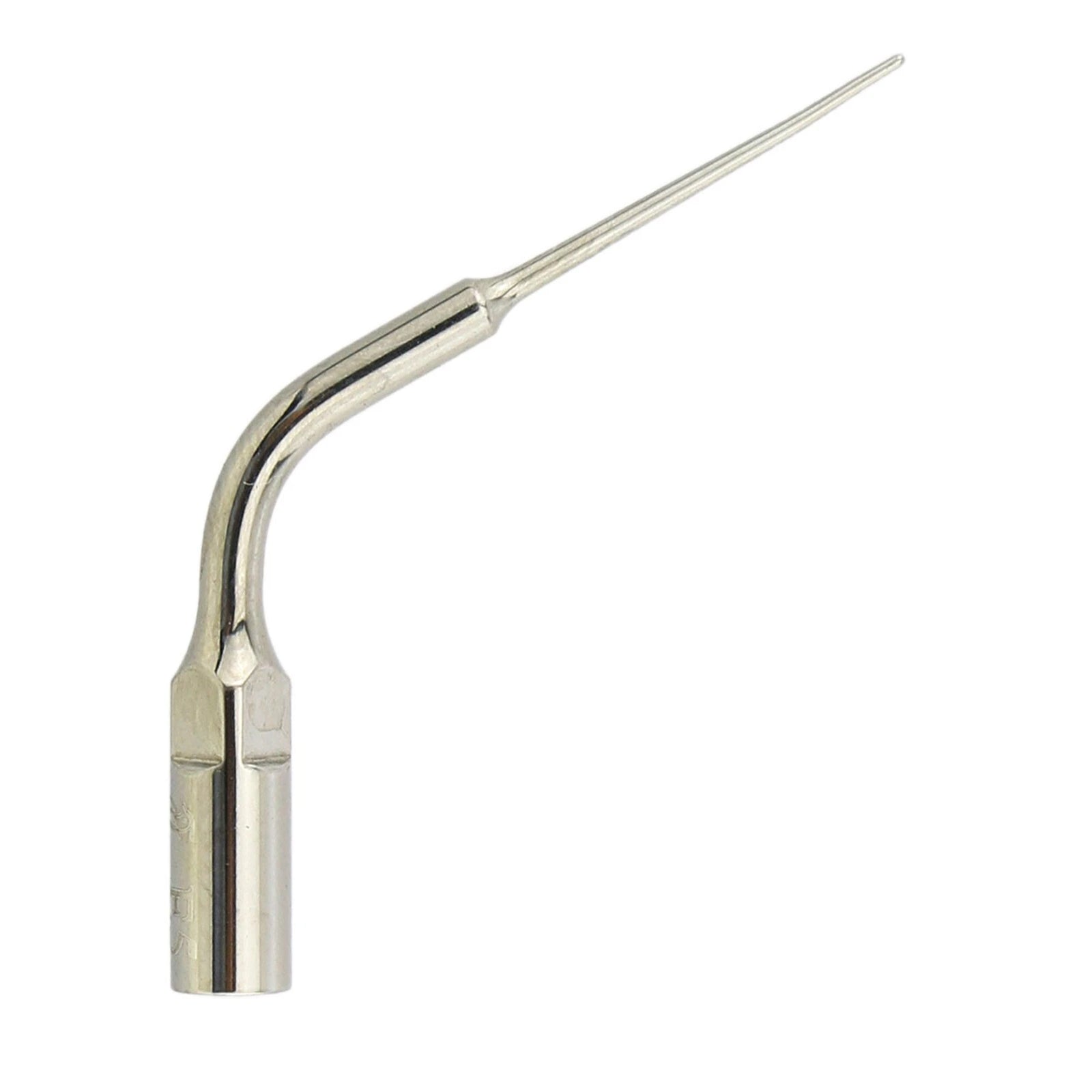
Woodpecker E5 Ultrasonic Scaler Tips 1 PC
Choose your option
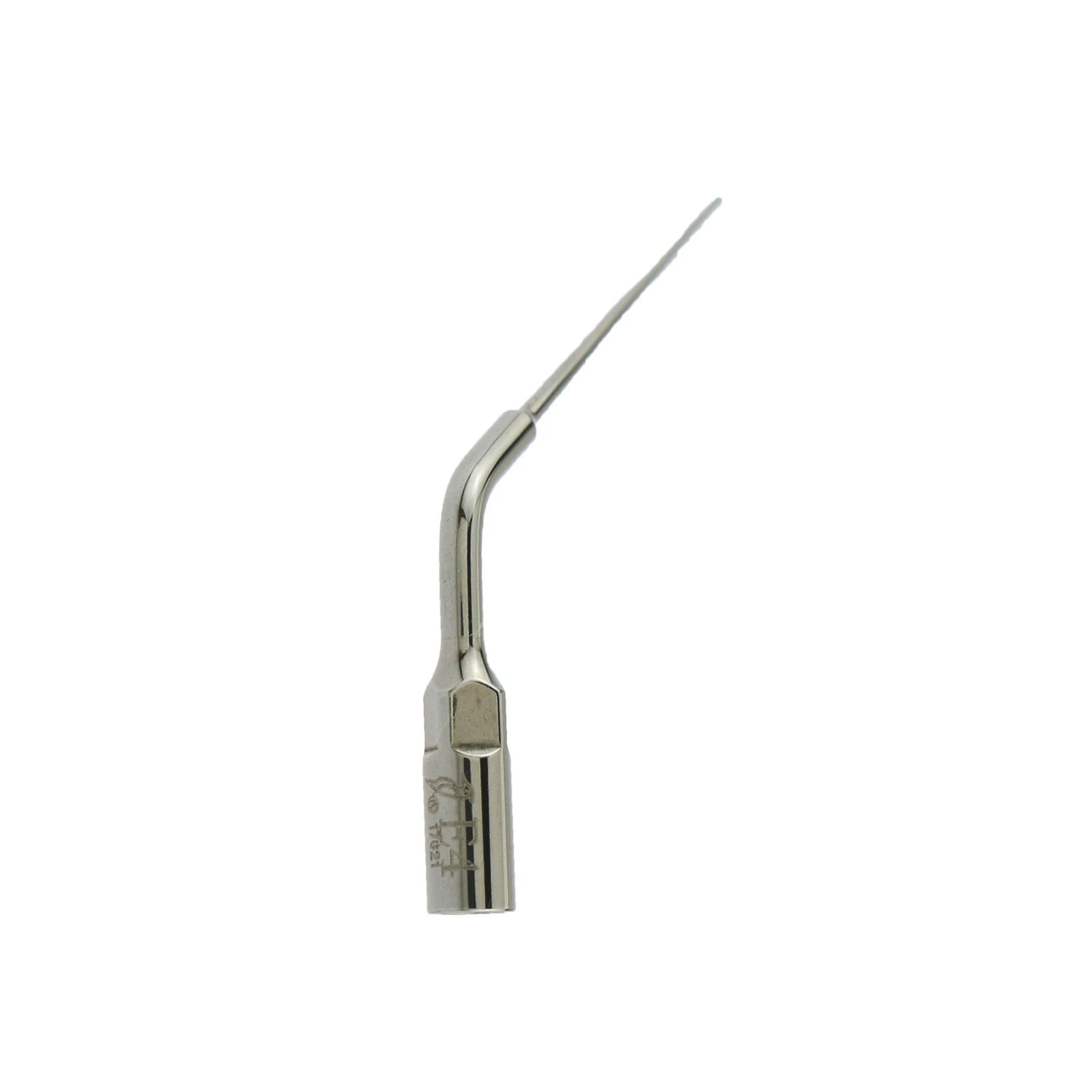
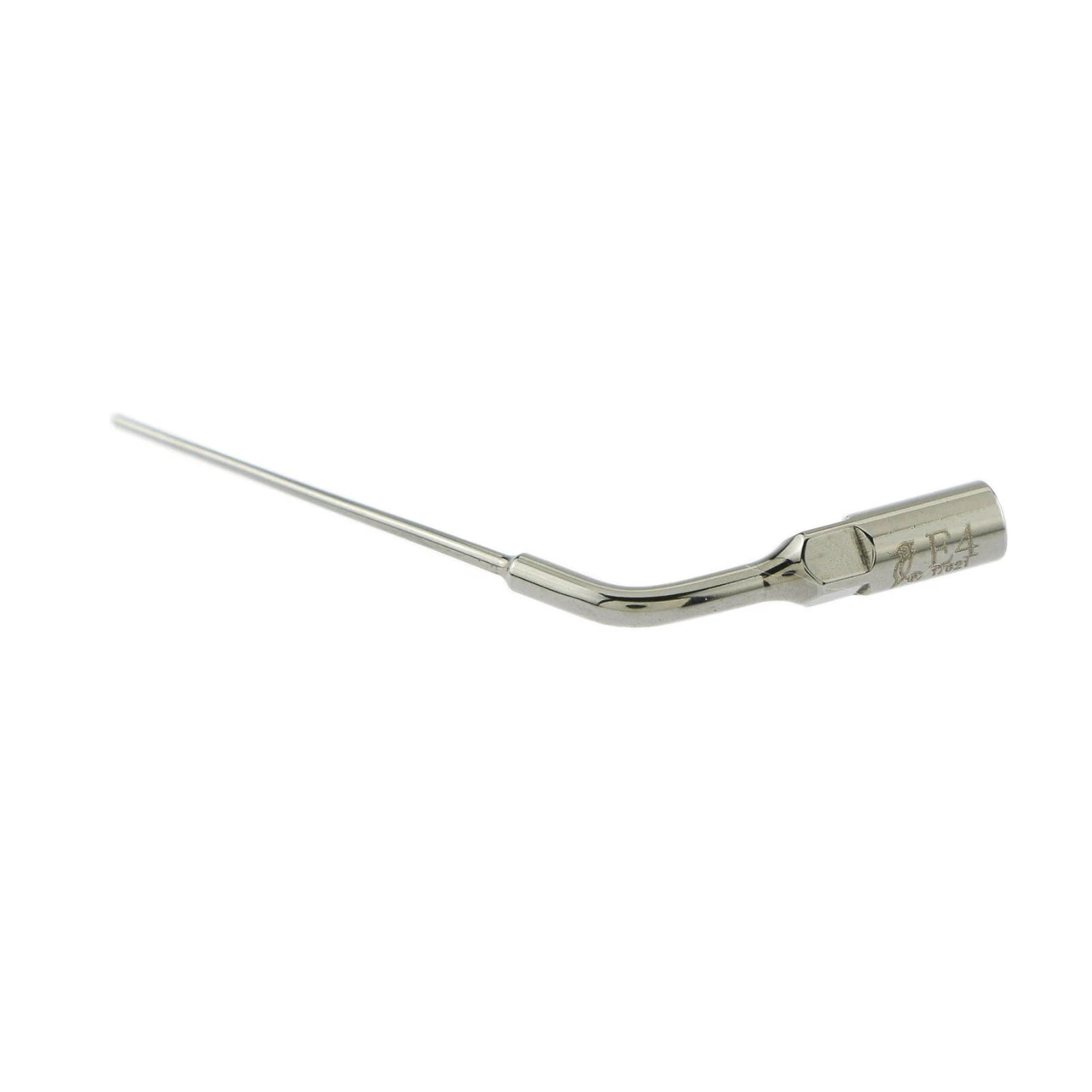
Woodpecker E4 Ultrasonic Scaler Tips 1 PC
Choose your option
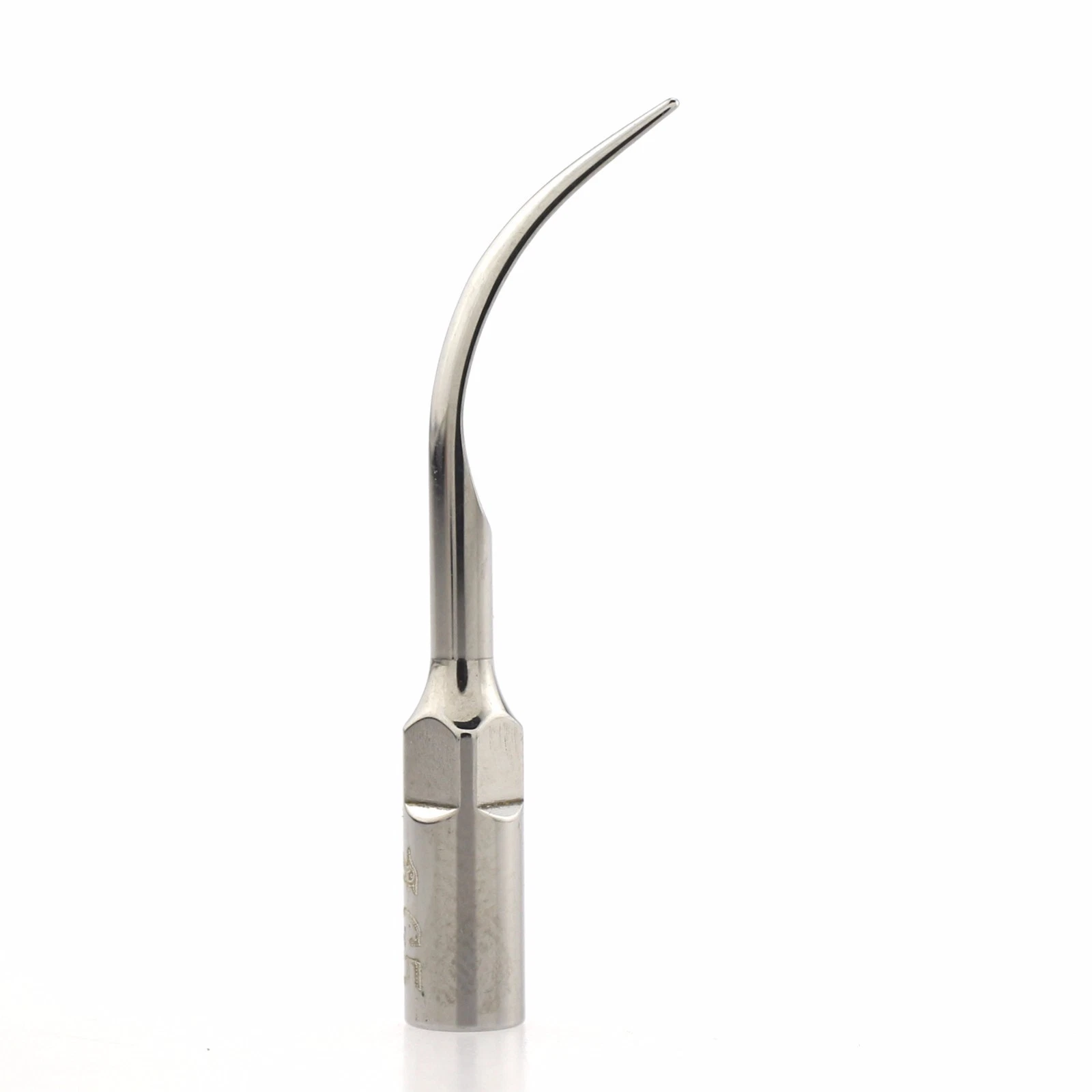
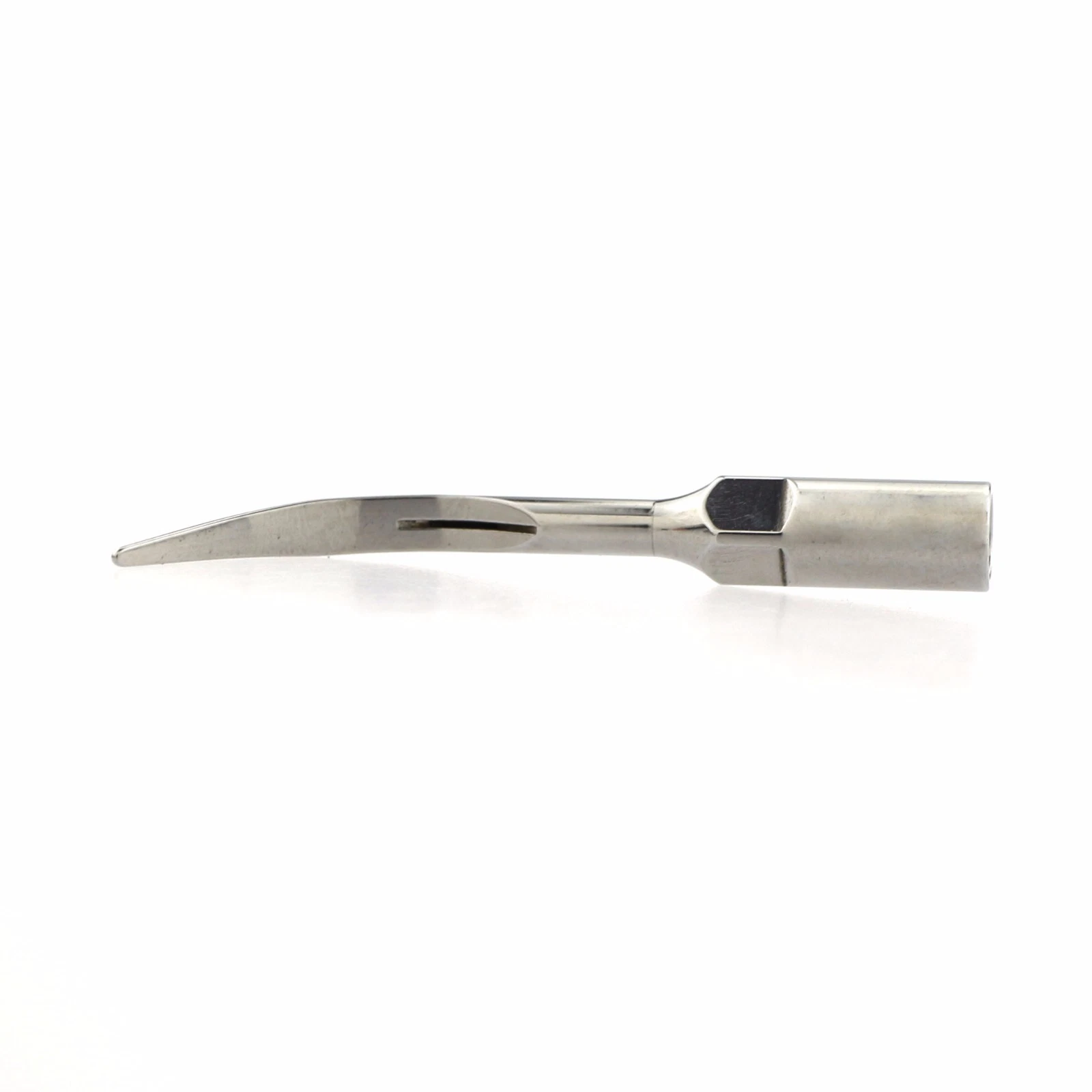
Woodpecker G5 Ultrasonic Scaler Tips 1 PC
Choose your option
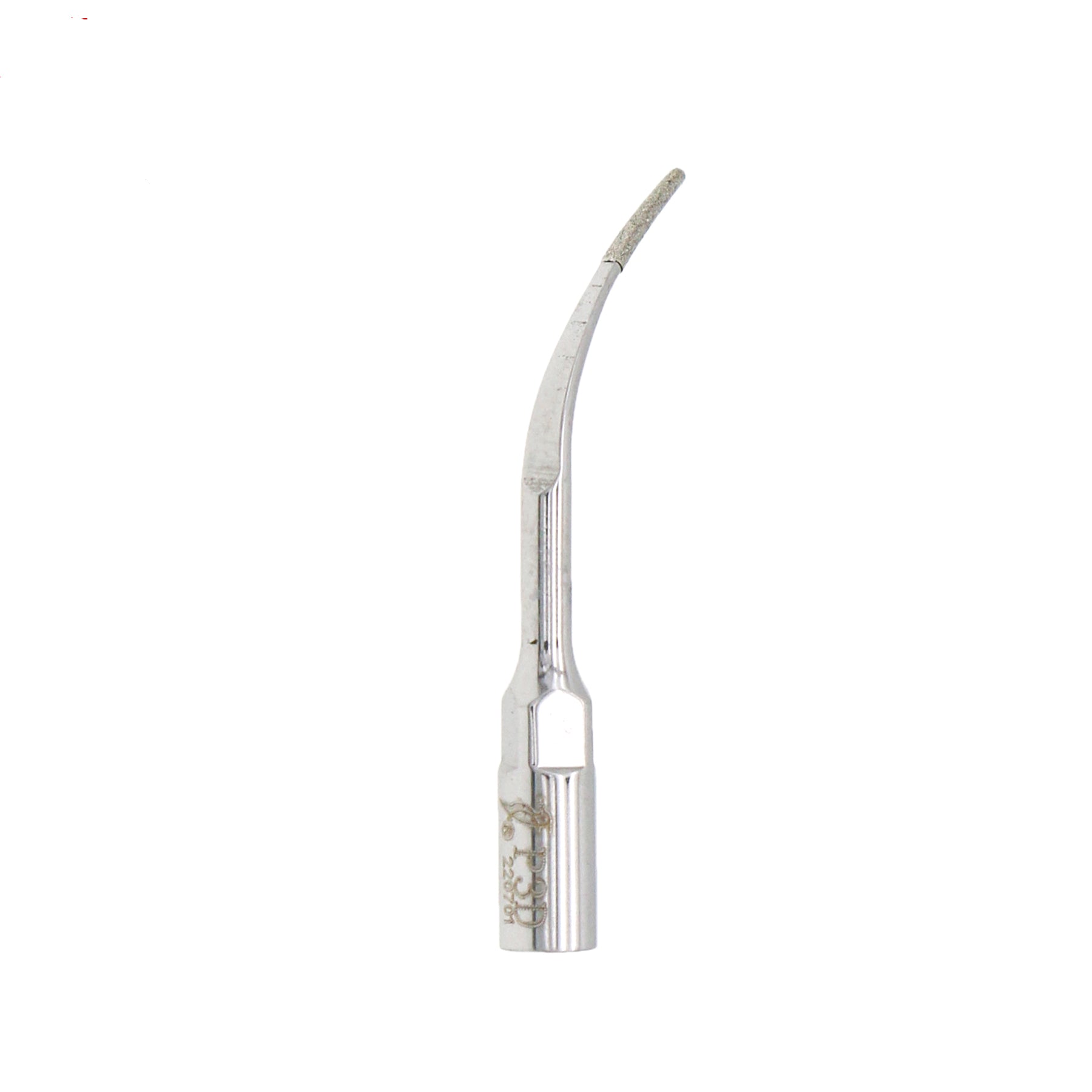
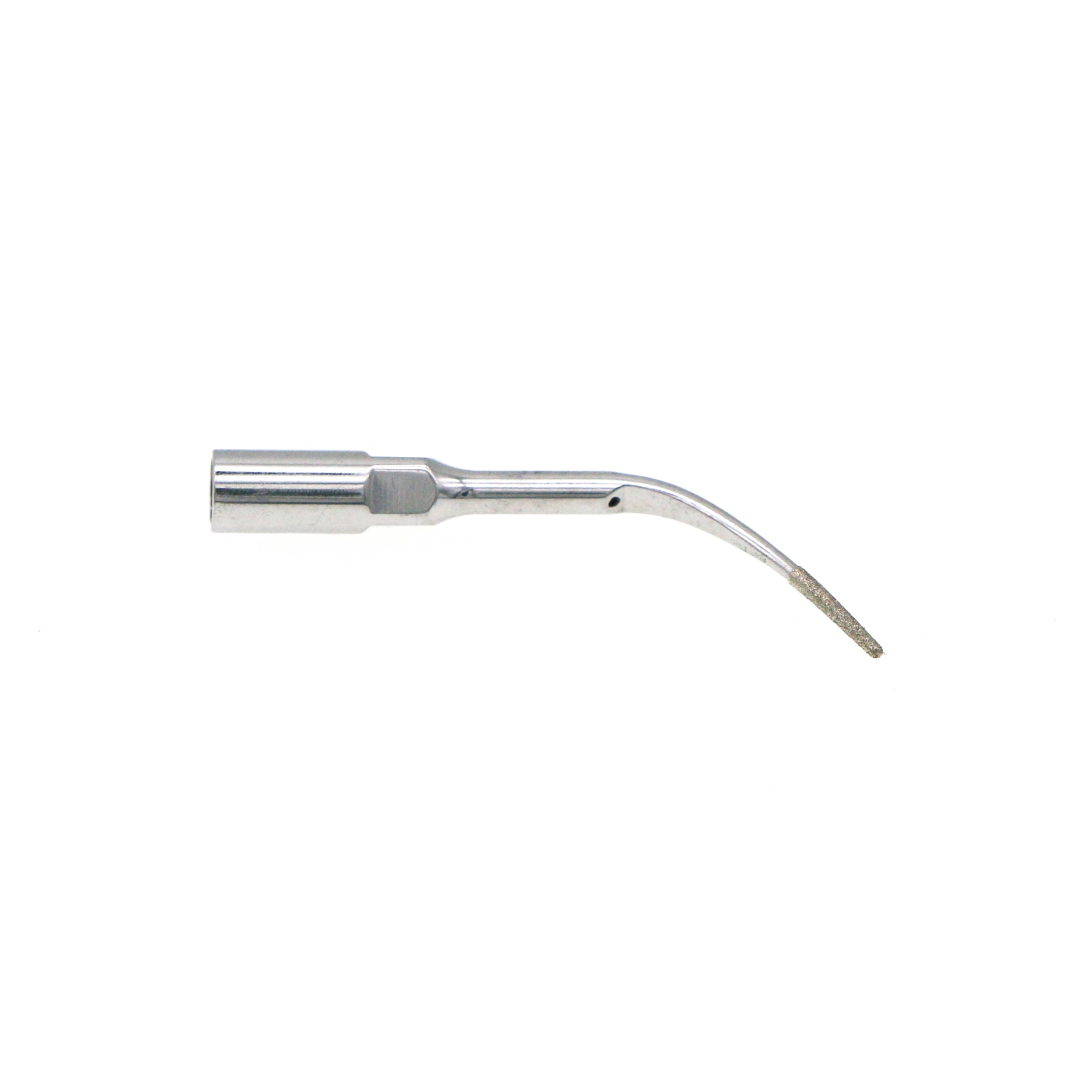
Woodpecker P3D Ultrasonic Scaler Tips 1 PC
Choose your option
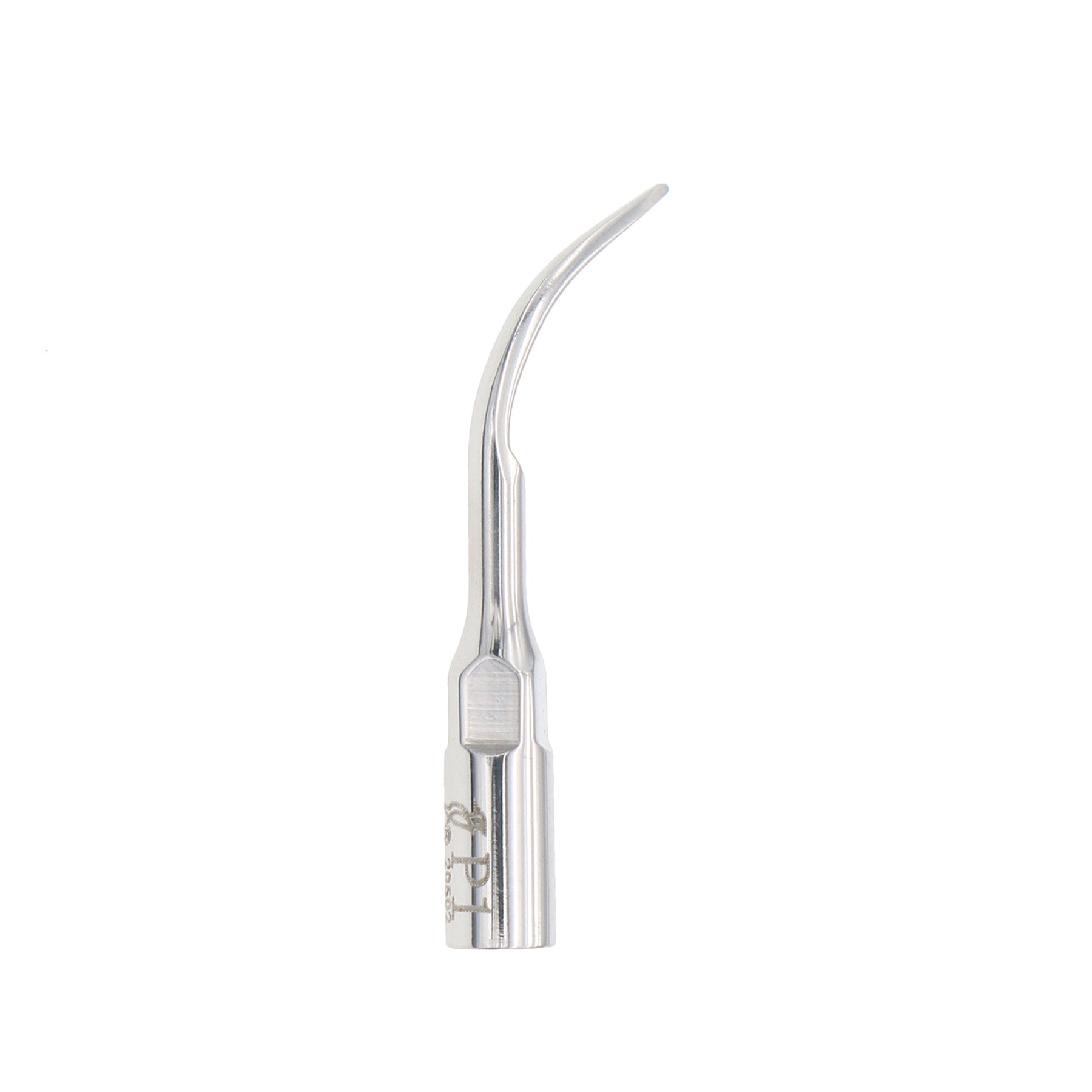
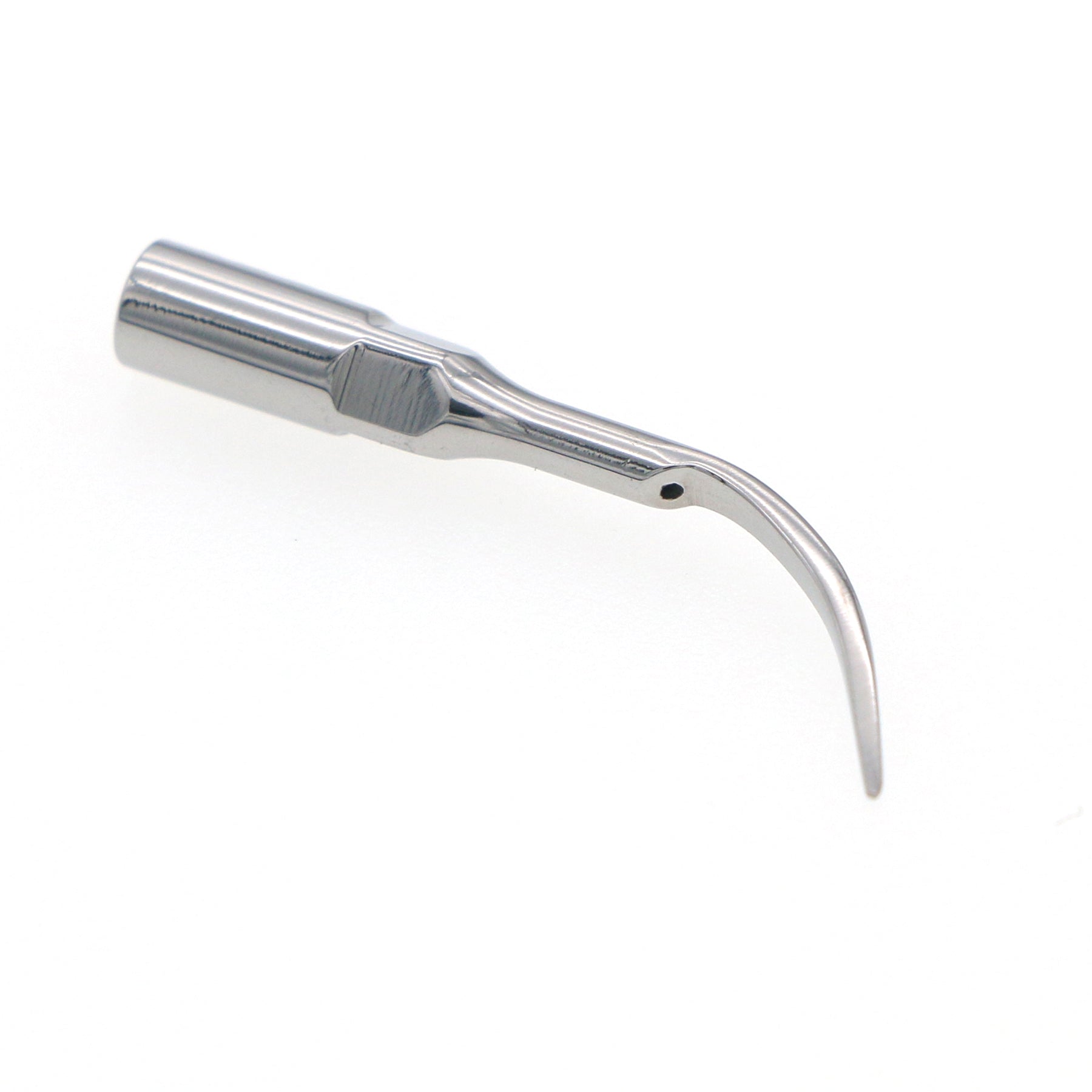
Woodpecker P1 Ultrasonic Scaler Tips 1 PC
Choose your option
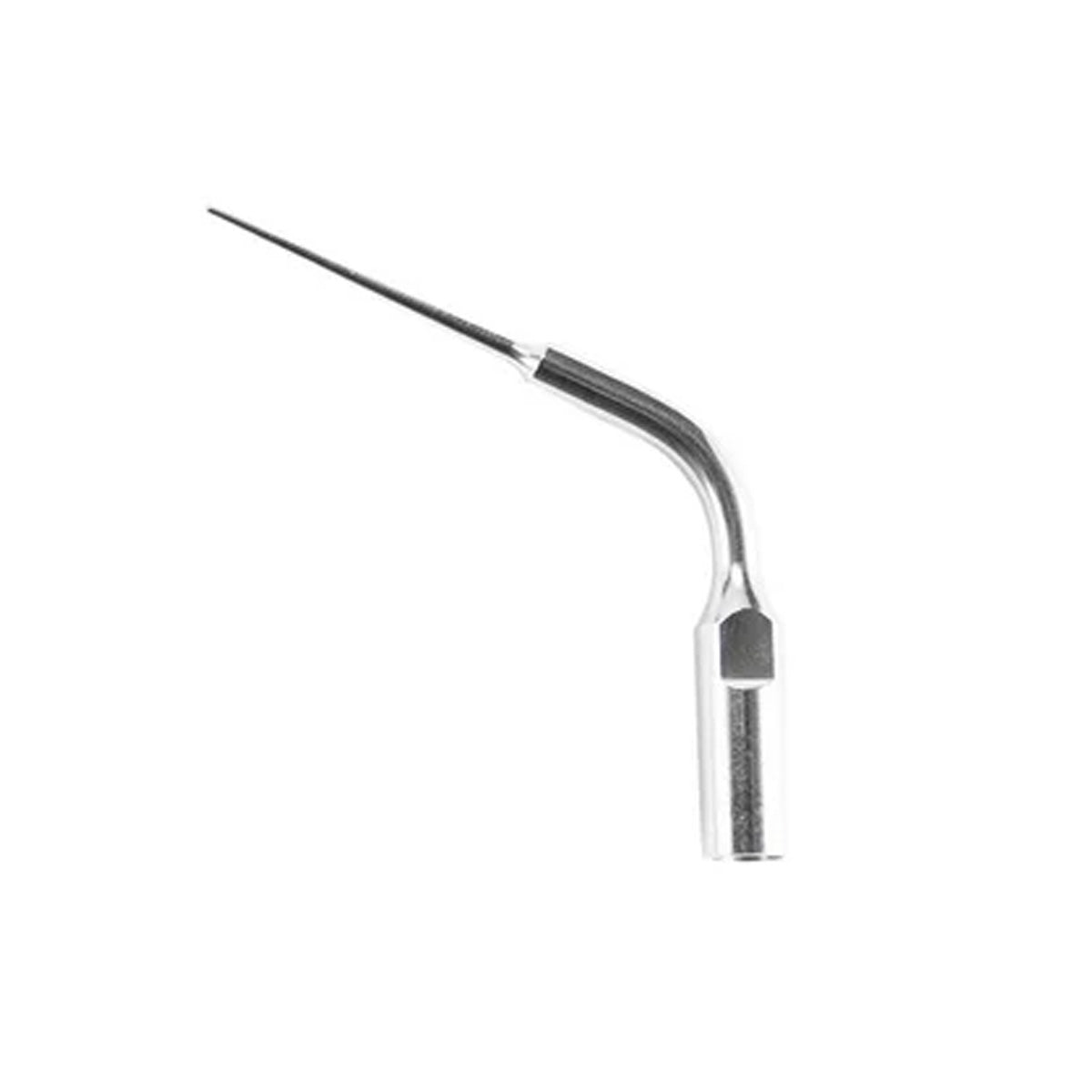
Woodpecker DTE ED5 Ultrasonic Scaler Tips
Choose your option
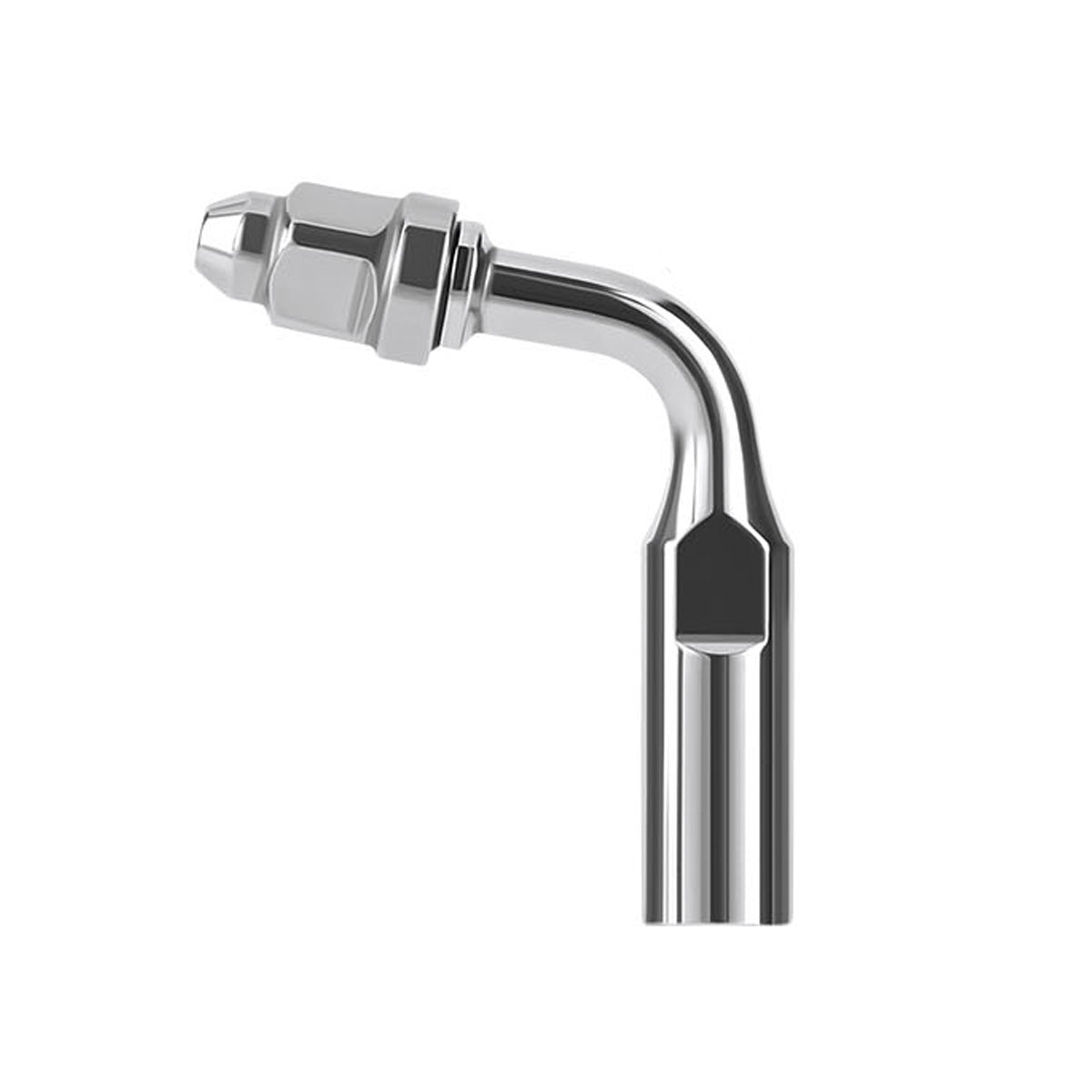
Woodpecker DTE ED2 Ultrasonic Scaler Tips 95° Angle Holder 1 PC
Choose your option
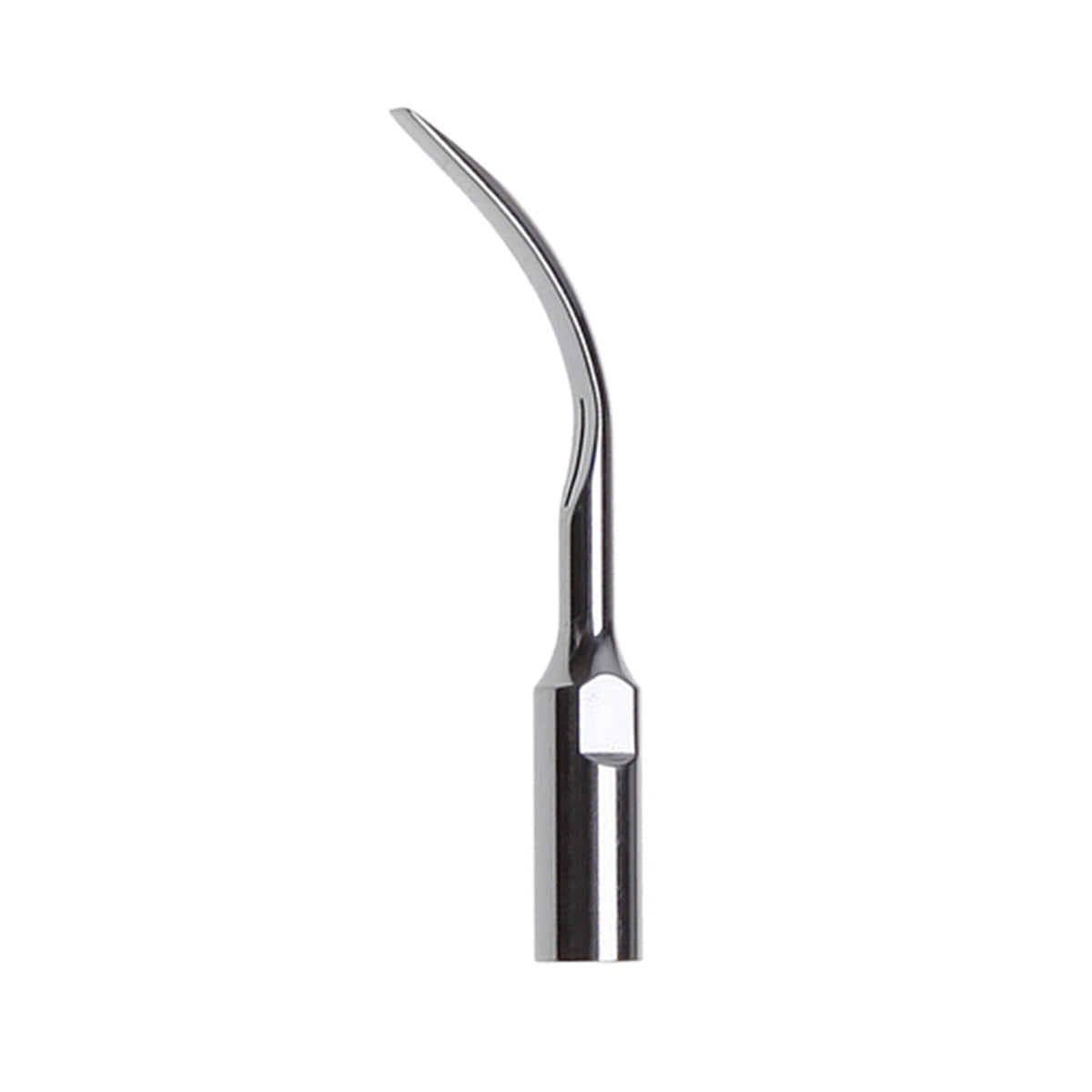
Woodpecker DTE GD6 Ultrasonic Scaler Tips 1 PC
Choose your option
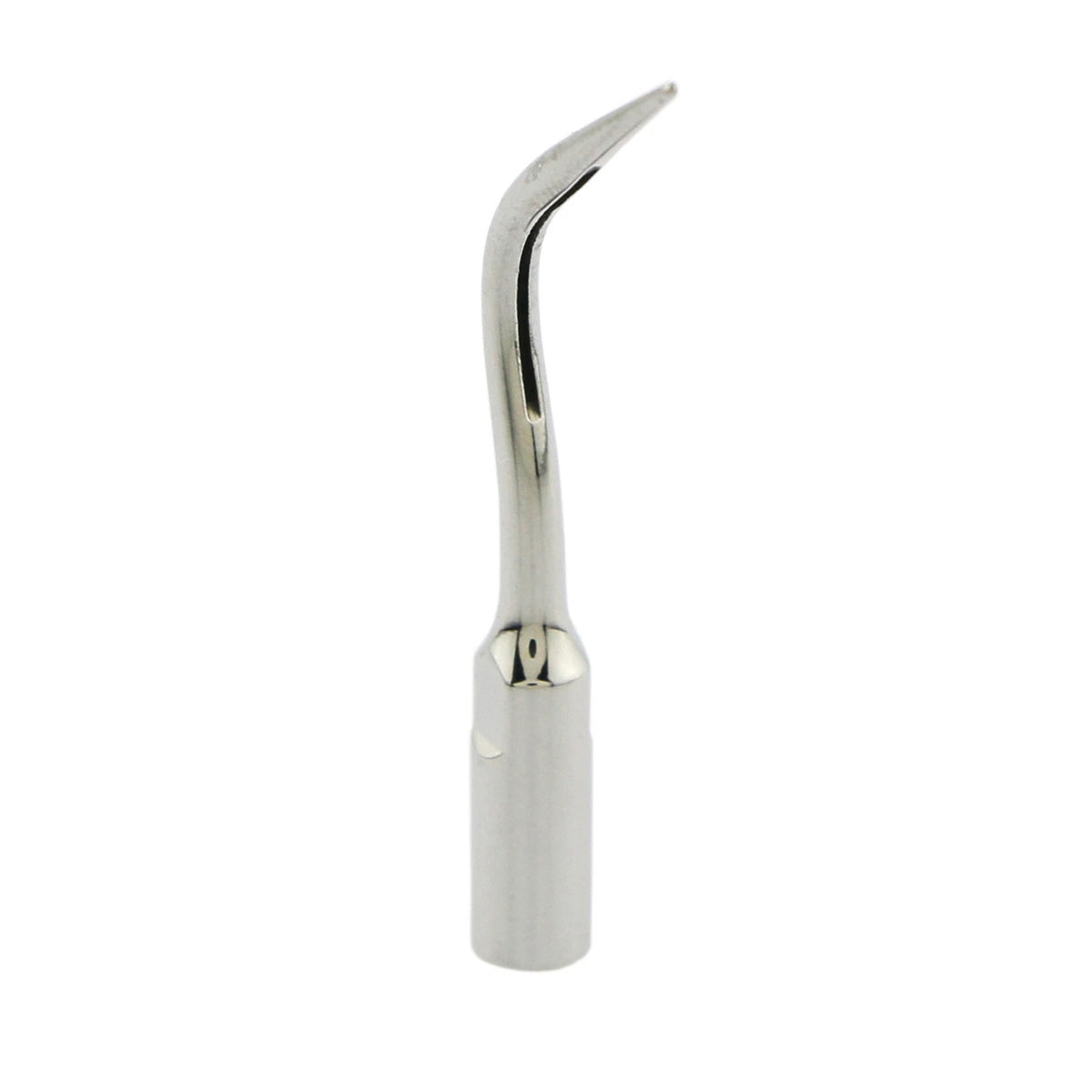
Woodpecker DTE PD4 Ultrasonic Scaler Tips 1 PC
Choose your option
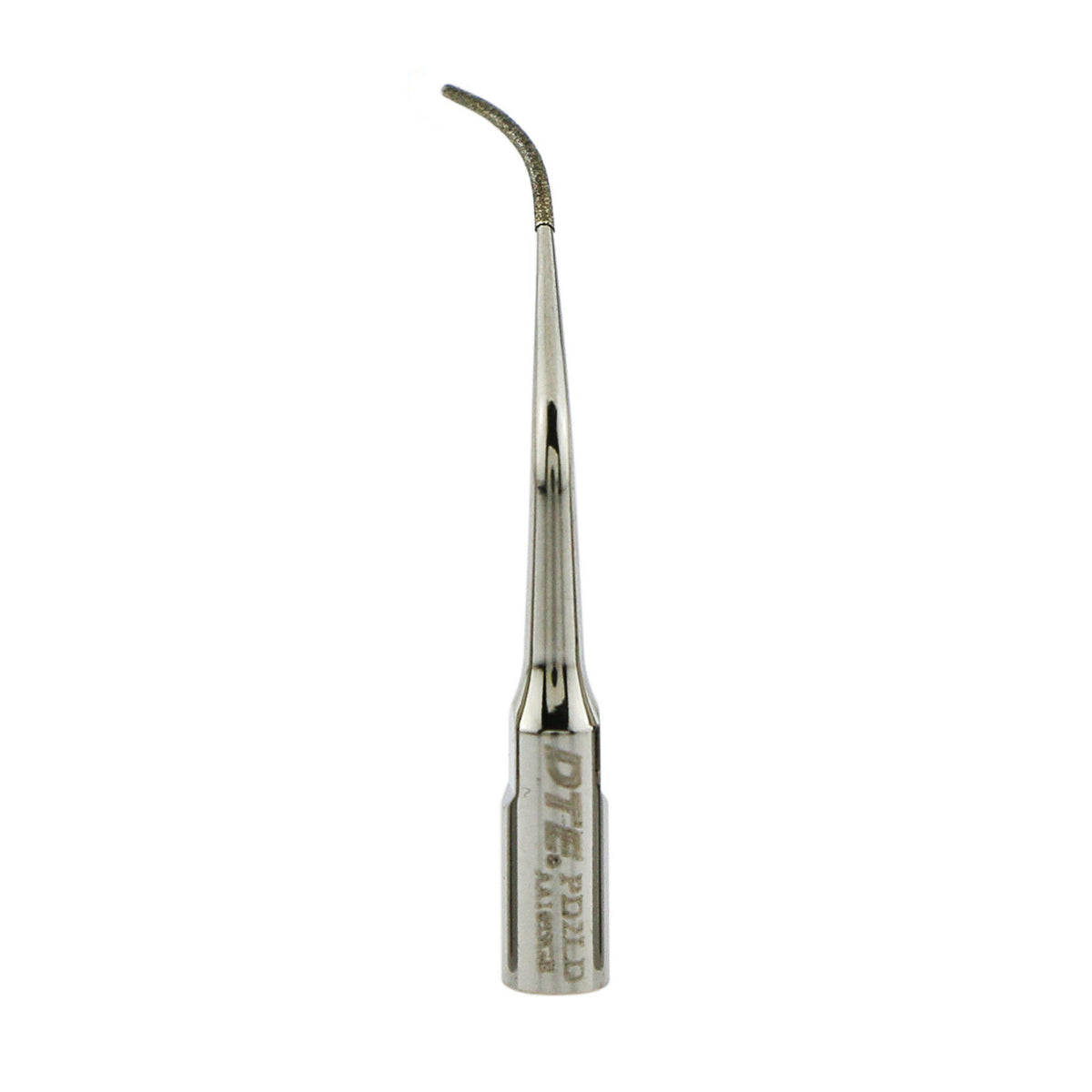
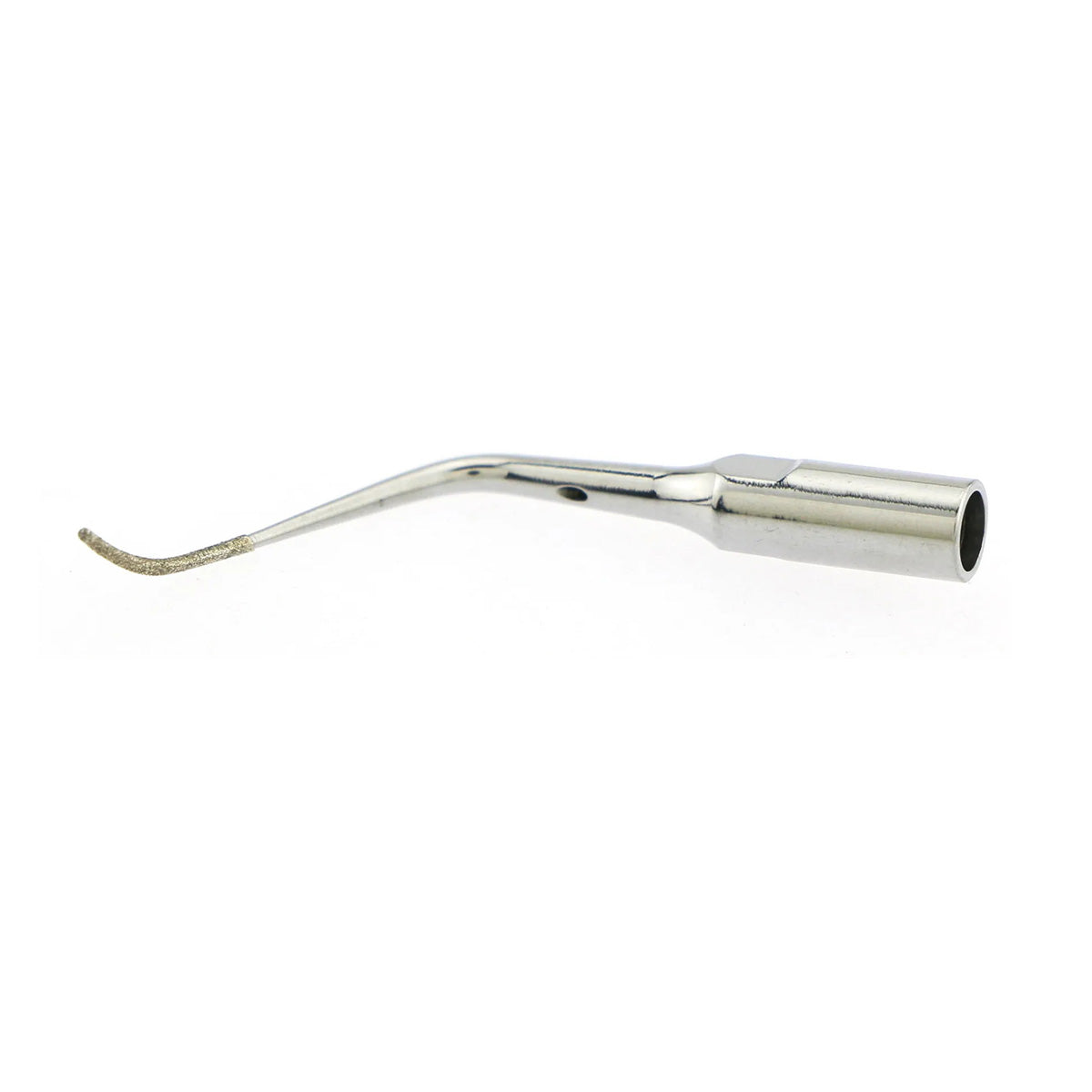
Woodpecker DTE PD2LD Ultrasonic Scaler Tips 1 PC
Choose your option
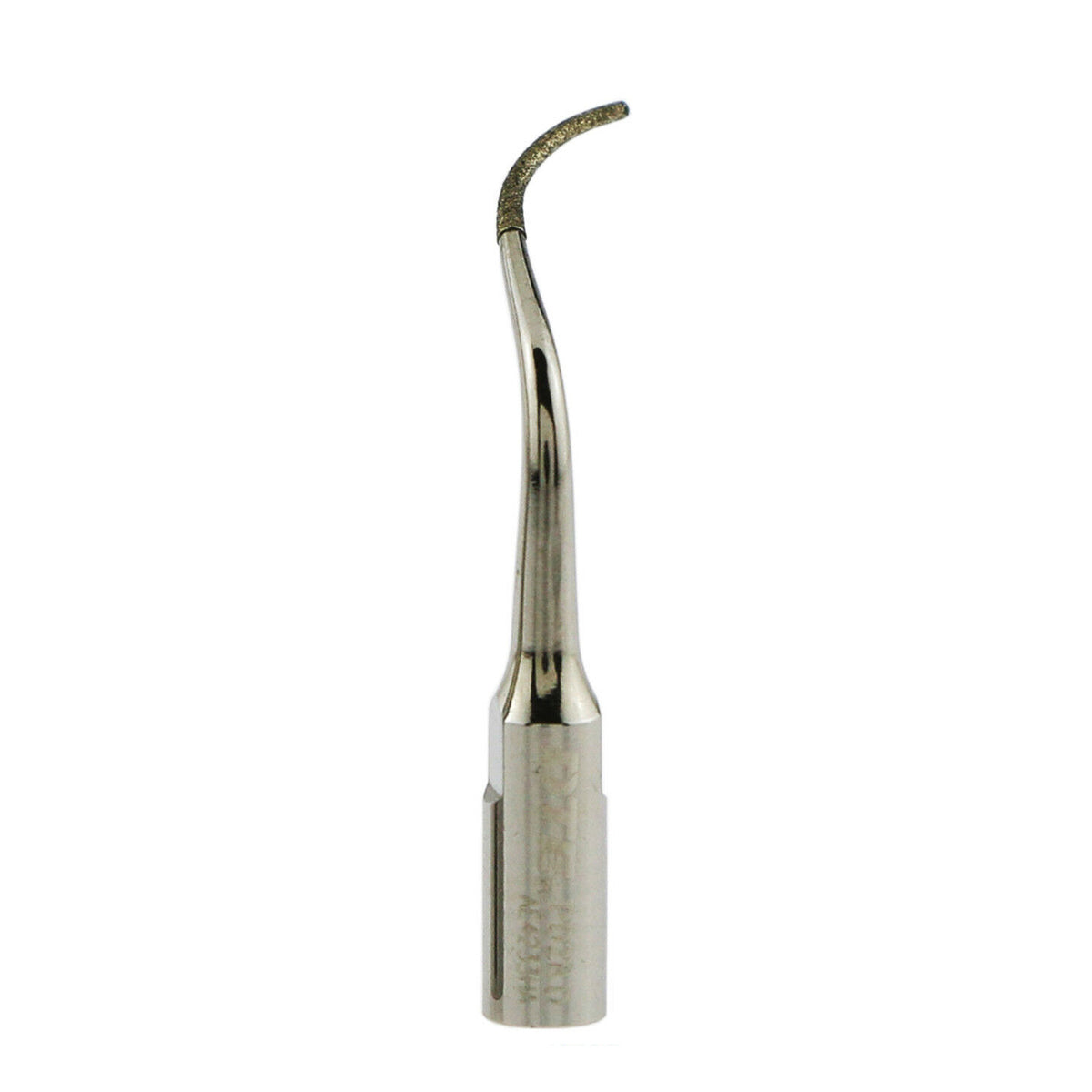
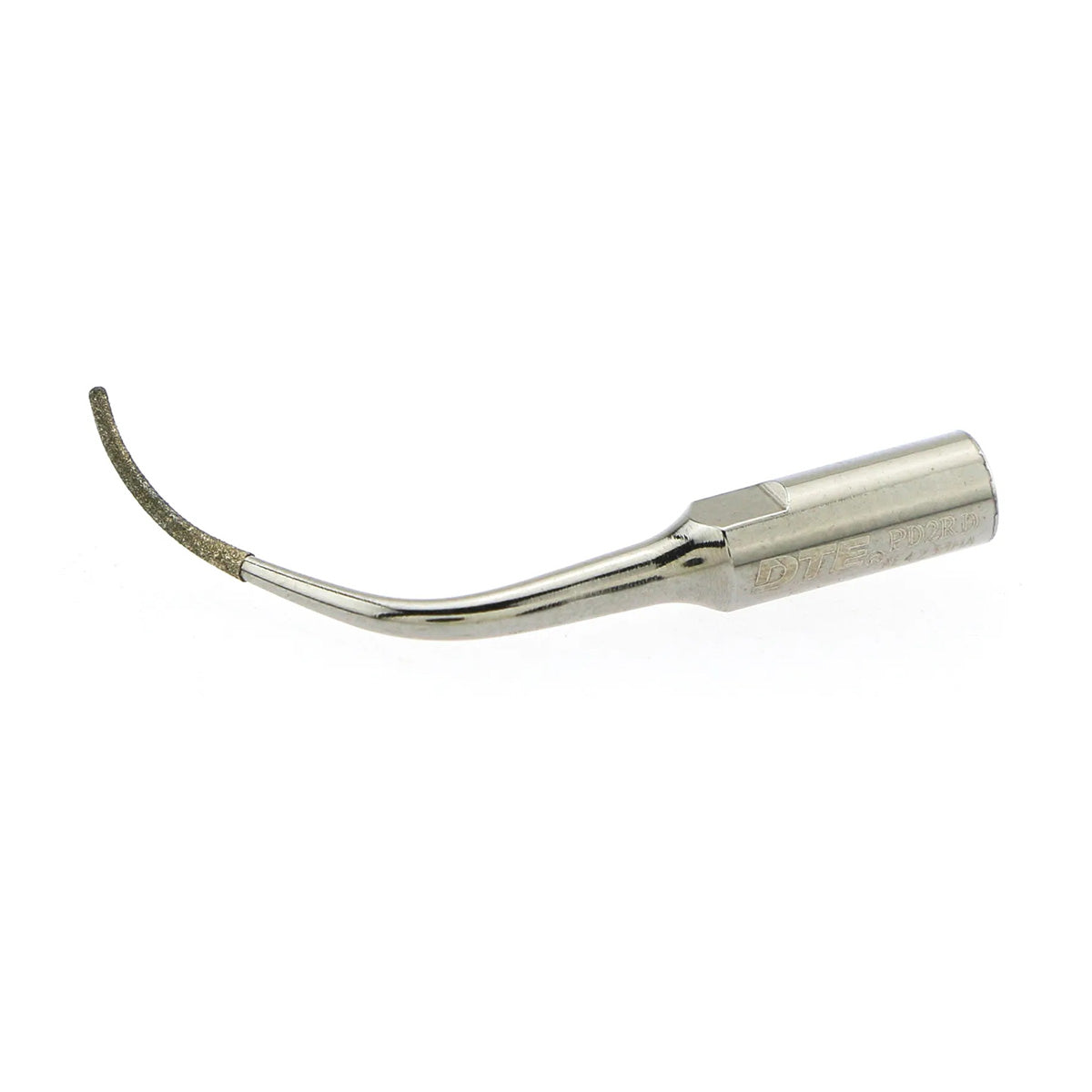
Woodpecker DTE PD2RD Ultrasonic Scaler Tips 1 PC
Choose your option
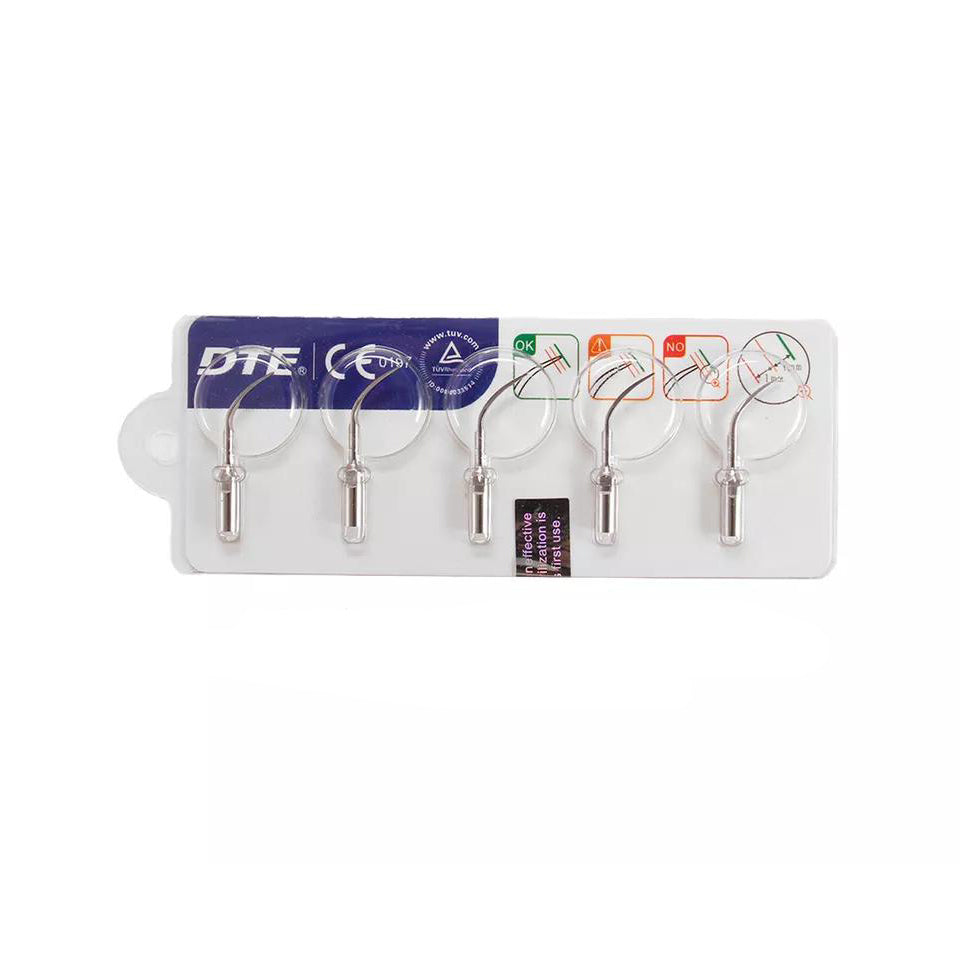
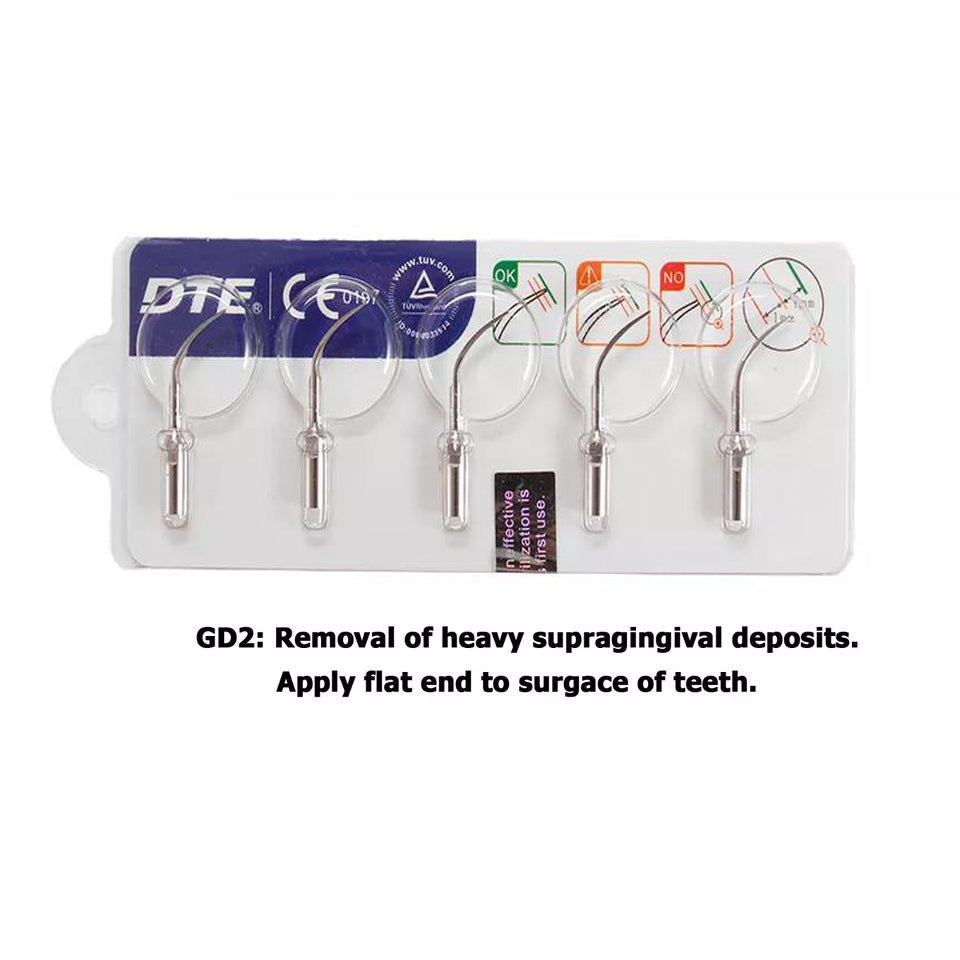
Woodpecker DTE GD2 Ultrasonic Scaler Tips 5Pcs/ Set
Choose your option


Woodpecker U600 LED Ultrasonic Piezo Scaler with Auto Water Bottle 7 Tips
Choose your option


Woodpecker PT5 Endo Periodontal Treatment Device Auto Water Supply System
Choose your option


Woodpecker PT3 Dental Periodontal Treatment Device Auto Water Supply System
Choose your option


VRN S-P1 Ultrasonic Scaler Tips 5Pcs/Box
Choose your option


VRN S-P3 Ultrasonic Scaler Tips 5Pcs/Box
Choose your option


VRN P3 Ultrasonic Scaler Tips 5Pcs/Box
Choose your option
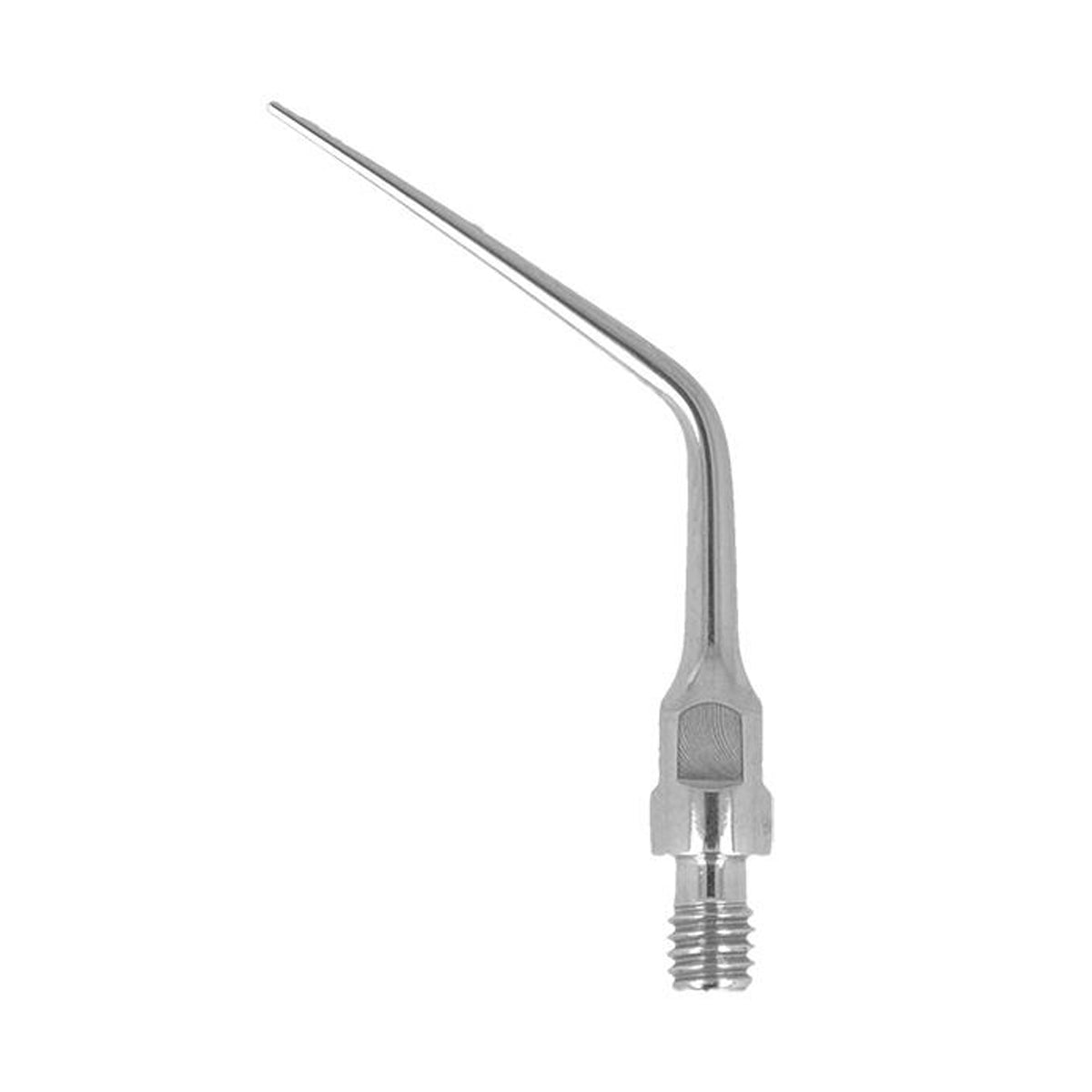
Woodpecker ES3 Ultrasonic Scaler Tips 1 PC
Choose your option
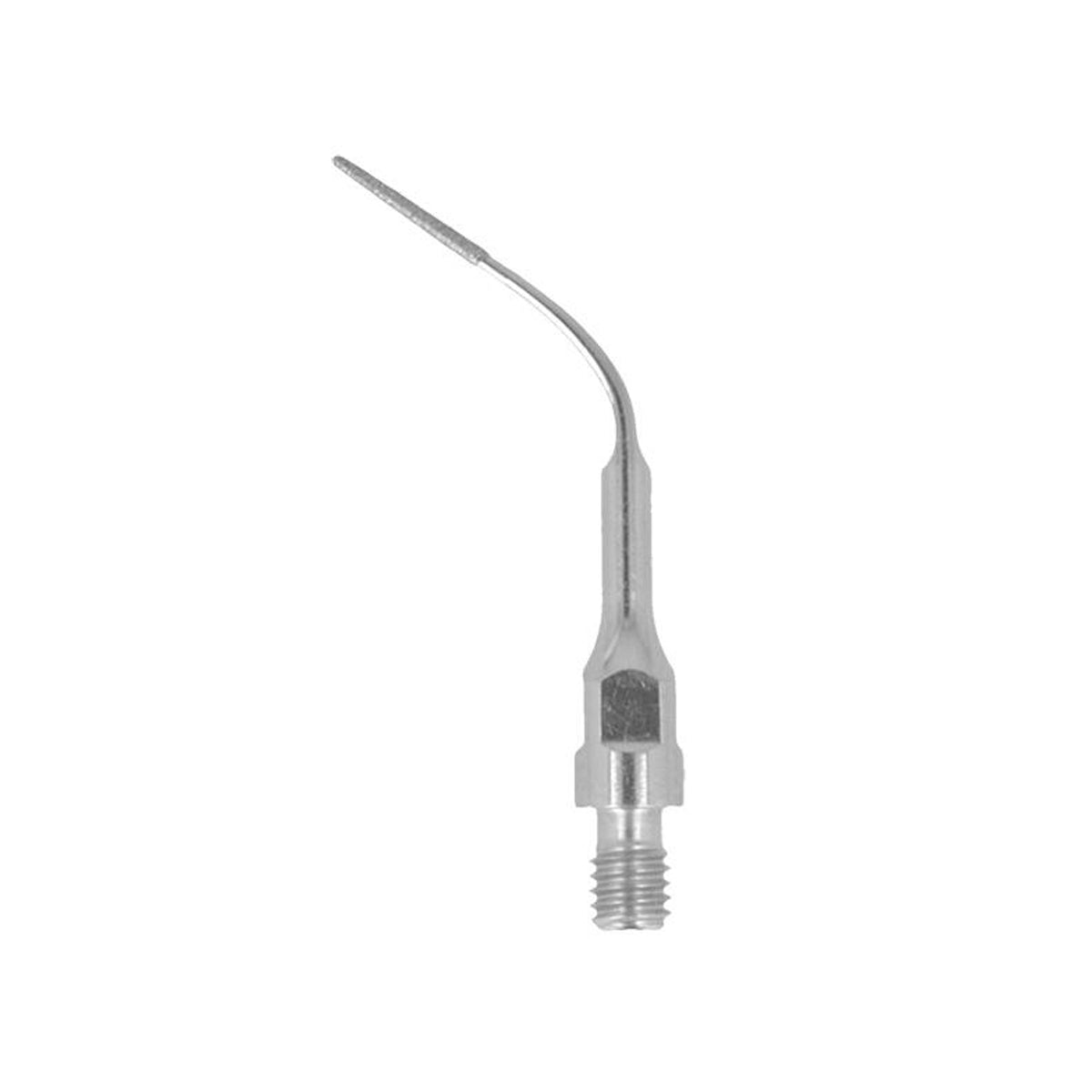
Woodpecker PS3D Ultrasonic Scaler Tips 1 PC
Choose your option
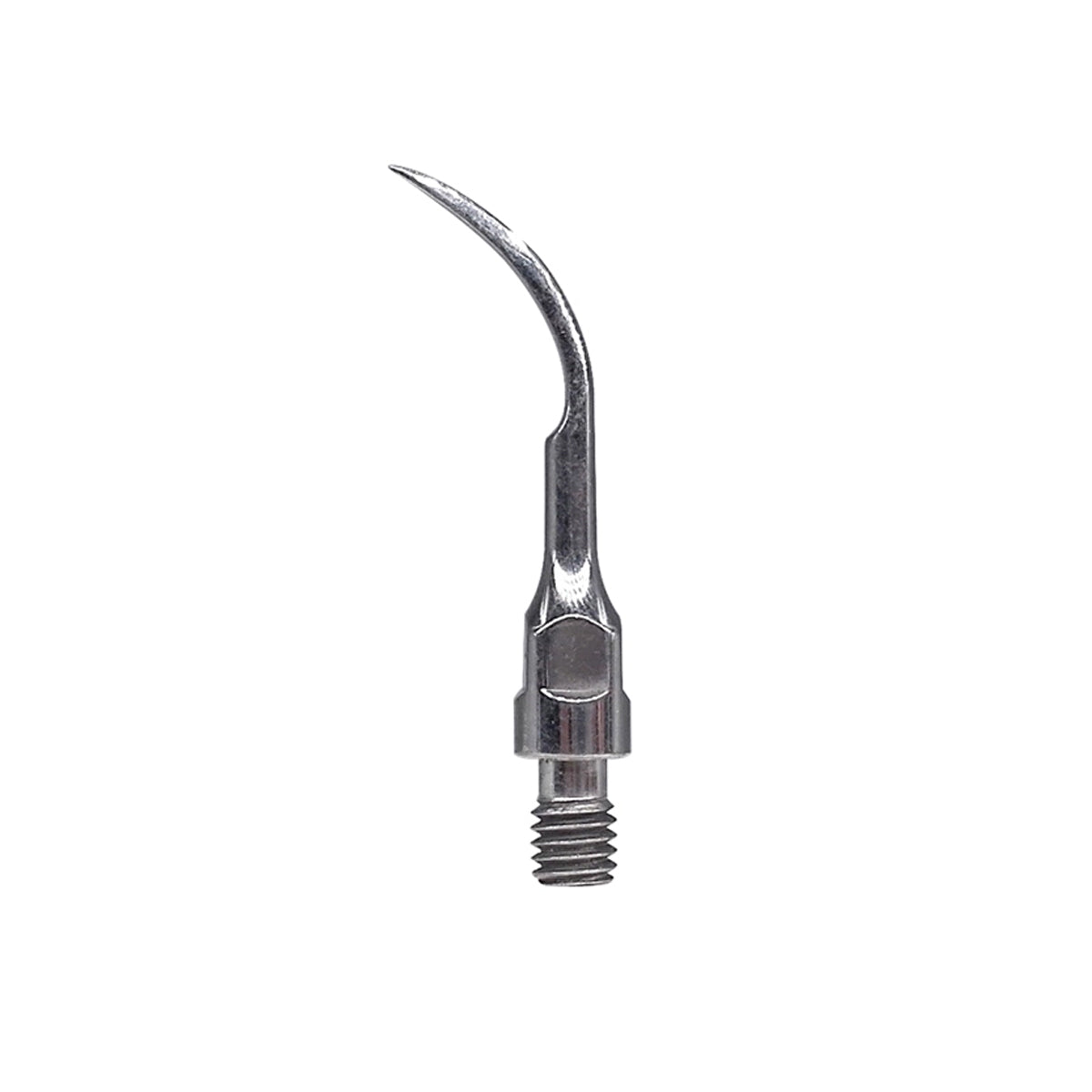
Woodpecker PS1 Ultrasonic Scaler Tips 1 PC
Choose your option
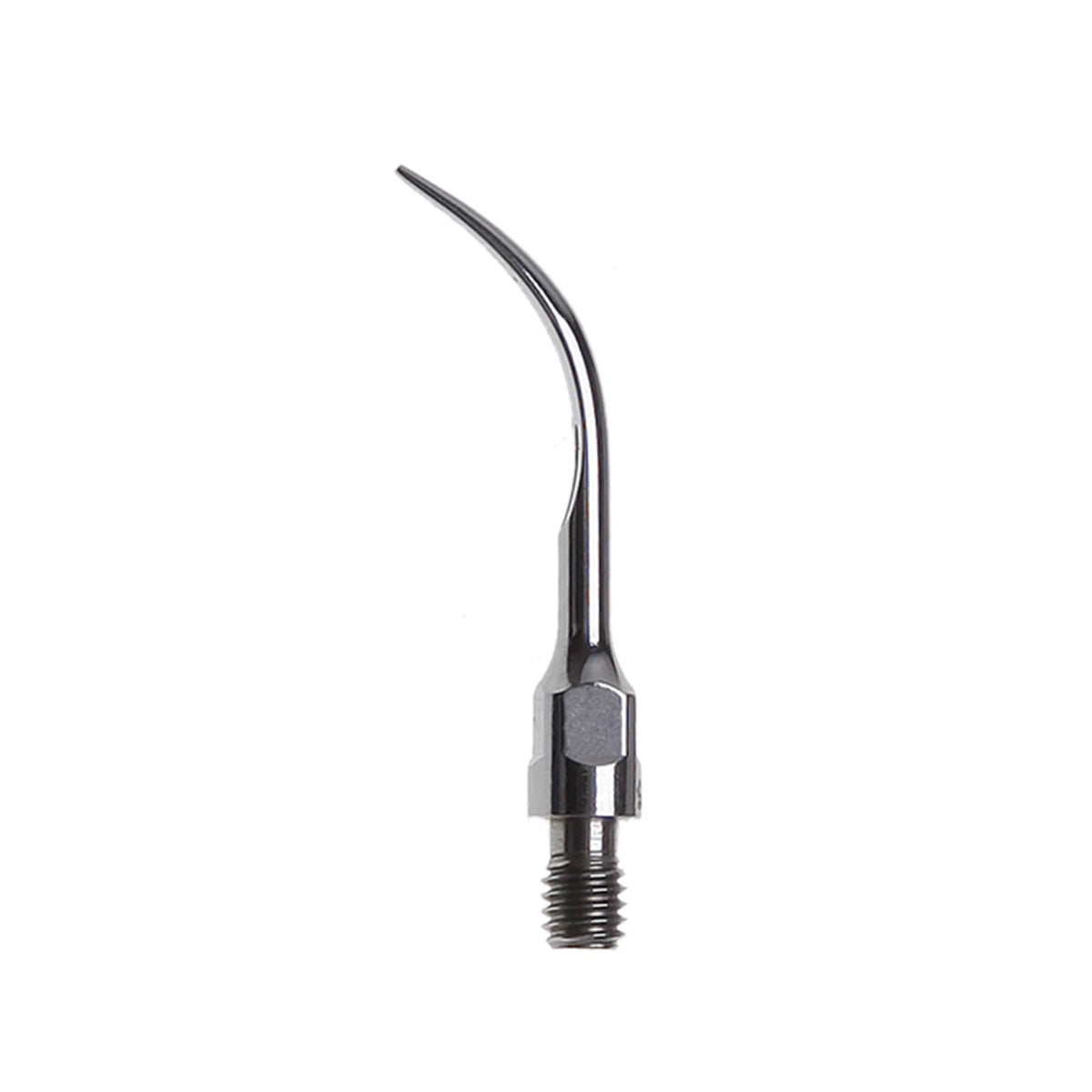
Woodpecker GS5 Ultrasonic Scaler Tips 1 PC
Choose your option
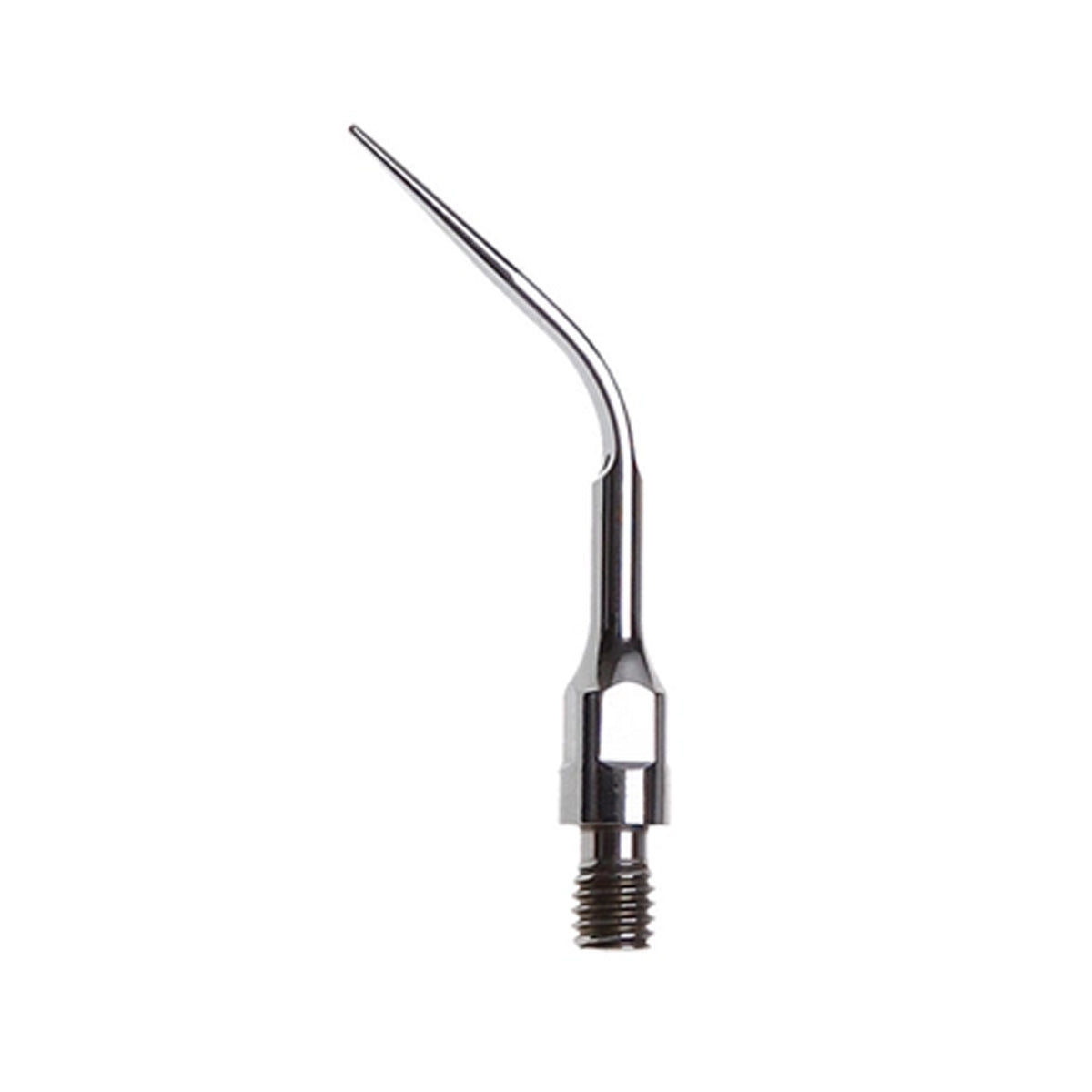
Woodpecker GS3 Ultrasonic Scaler Tips 1 PC
Choose your option
Scalers & Accessories FAQs
1. What is the difference between Magnetostrictive Scalers and Piezoelectric Units?
1. What is the difference between Magnetostrictive Scalers and Piezoelectric Units?
Both are designed to remove calculus and biofilm efficiently, but they achieve this through different mechanical actions, which influences their performance, feel, and ideal clinical applications.
The core difference between these two technologies lies in their vibration patterns and operating frequencies. Magnetostrictive scalers use metal stacks that vibrate in an elliptical motion, operating at frequencies between 25,000 to 45,000 cycles per second. This multi-directional movement makes all sides of the tip active, which is highly effective for fracturing and removing heavy, tenacious calculus. In contrast, piezoelectric scalers use electrical energy to activate crystals, creating a linear, back-and-forth vibration, making its lateral sides the most active surfacesOperating at a slightly higher frequency of 30,000 to 50,000 cycles per second, this controlled motion is excellent for debriding root surfaces and removing finer deposits with precision.
Neither technology is inherently superior; instead, the best choice often comes down to the specific needs of your procedures, your personal ergonomic preferences, and the patient population you serve. Many practices find value in having both technologies available to handle a full spectrum of clinical challenges.
| Feature | Magnetostrictive Scalers | Piezoelectric Units |
| Working principle | Uses magnetic fields to make a metal stack or rod expand and contract | Uses ceramic crystals that deform when electrical voltage is applied |
| Energy conversion | Electromagnetic → Mechanical vibration | Electrical → Mechanical vibration |
| Tip movement pattern | Elliptical/orbital motion (all sides of the tip are active) | Linear back-and-forth motion (two sides of the tip are active) |
| Active tip surfaces | Almost the entire tip surface can contact the tooth | Mainly the lateral surfaces are active |
| Scaling efficiency | Very effective for heavy calculus removal | Very effective, especially for periodontal maintenance |
| Patient comfort | Often perceived as slightly stronger vibration | Usually perceived as smoother and more controlled |
| Heat generation | Generates more heat; requires adequate water cooling | Generally produces less heat |
| Water requirement | Higher water flow needed for cooling | Lower water requirement |
| Tip wear effect | Performance can remain effective even with some wear | Tip wear can reduce vibration efficiency significantly |
| Noise level | Usually louder | Usually quieter |
| Maintenance | More complex internal components | Simpler handpiece design, often easier maintenance |
2. Do I still need manual scalers if I have an ultrasonic unit?
2. Do I still need manual scalers if I have an ultrasonic unit?
3. Why is the water spray so important during ultrasonic scaling?
3. Why is the water spray so important during ultrasonic scaling?
4. What is the difference between 25K and 30K scalers?
4. What is the difference between 25K and 30K scalers?
25K (25,000 Hz) scalers are compatible with a wide range of inserts from most major brands and are widely used in periodontal therapy.
30K (30,000 Hz) scalers operate at a slightly higher frequency, often producing a finer tip movement. Many modern units (like the TurboSensor+360) support both with the appropriate handpiece.
5. What procedures can ultrasonic scalers be used for?
5. What procedures can ultrasonic scalers be used for?
- Supragingival and subgingival calculus removal
- Routine prophylaxis and hygiene appointments
- Periodontal debridement and maintenance
- Biofilm and stain removal
- Endodontic irrigation (with specialized tips)
- Implant maintenance (with compatible plastic/titanium tips)
6. How do I select the correct power setting?
6. How do I select the correct power setting?
Use 'low power' for subgingival scaling, sensitive patients, and fine deposits.
Use 'medium power' for moderate calculus and routine prophylaxis.
Use 'high power' for heavy supragingival calculus removal only.
Always start at the lowest effective setting and increase as needed.